
Ever thought about whether your pantry could weather a storm? When dark clouds gather, having a well-stocked kitchen isn’t just smart, it could be your real lifesaver.
Imagine sitting back with a warm cup of tea while you go through a checklist of hearty, nourishing foods that keep your family fed during power outages and tough times. In this guide, we'll walk you through the must-have items and simple steps to keep your meals fresh and your energy high. This way, you'll feel secure and ready for whatever comes your way.
Essential Pre-Storm Food Prep Checklist

If a storm is on its way, it's best to start prepping right away. Imagine sitting down with a warm cup of tea as you plan your food and water needs to keep everyone energized during a power outage.
First off, gather these must-have items:
- One gallon of water per person each day (for three days) to stay hydrated.
- Protein-packed foods like canned tuna or a handful of protein bars.
- Grains such as rice or oats to serve as a hearty base.
- Dried fruits that add a naturally sweet zing to your meals.
- Canned veggies like peas and carrots, perfect for quick, easy dishes.
- Shelf-stable milk or dairy alternatives so you get that creamy comfort without any fuss.
- And high-calorie treats like nuts and a jar of nut butter to keep your energy up.
Next, follow these simple steps to secure your supplies:
- Check each water bottle to make sure they're all in good shape, kind of like making sure your homemade jam stays perfectly sealed.
- Look at the expiration dates on every product, just like you’d glance at the date on your favorite cereal box.
- Have a trusty manual can opener and any other essential utensils at the ready.
- Charge up your power banks so they'll be a lifeline when you need them most.
- Pack a cooler, and make sure you've got ice or ice substitutes to keep anything perishable safe.
Plan your shopping 5 to 7 days before the storm is expected, and about three days out, take a moment to review your stock. Replace anything that's close to expiring. This straightforward checklist gives you a clear, step-by-step plan to ensure your family stays nourished and ready, no matter what the hurricane brings.
Designing Your Tailored Disaster Meal Strategy

When hurricanes hit, it’s super important to plan meals that keep everyone full, happy, and energized. Start by figuring out that each adult needs about 2,000 to 2,500 calories a day. Imagine kicking off your morning with a warm bowl of oatmeal mixed with dried fruit, having a lunch where canned tuna pairs perfectly with whole grain crackers, and winding down with a hearty canned soup alongside a serving of vegetables. It’s like planning a simple, comforting meal for any challenging day.
Next, think about how many people you’re feeding. If it’s just two of you, a simple rotation of meals might do the trick. But if you’re cooking for a bigger group, say 3, 5, or even 6+, why not turn mealtime into a little community event? Picture everyone gathering around a camp stove-cooked stew or even using a solar oven when the lights are out. It brings that warm, shared feeling to the table.
Don’t forget to pack in some non-food essentials to round out your plan:
- First-aid kits for emergencies
- Hygiene supplies to keep everyone clean
- Manual cooking gear like camp stoves or solar ovens
Timing and portioning are just as key as the recipe itself. Keeping meals on a steady schedule and managing portions can really stretch out your supplies. Take a moment every day, say every 24 hours, to check and adjust your plan, making sure everything stays balanced. This isn’t just about nutrition; it’s about creating a backup plan that feels like a comforting kitchen ready to handle even the stormiest days.
Hurricane Food Prep: Selecting Your Long-Lasting Food Options
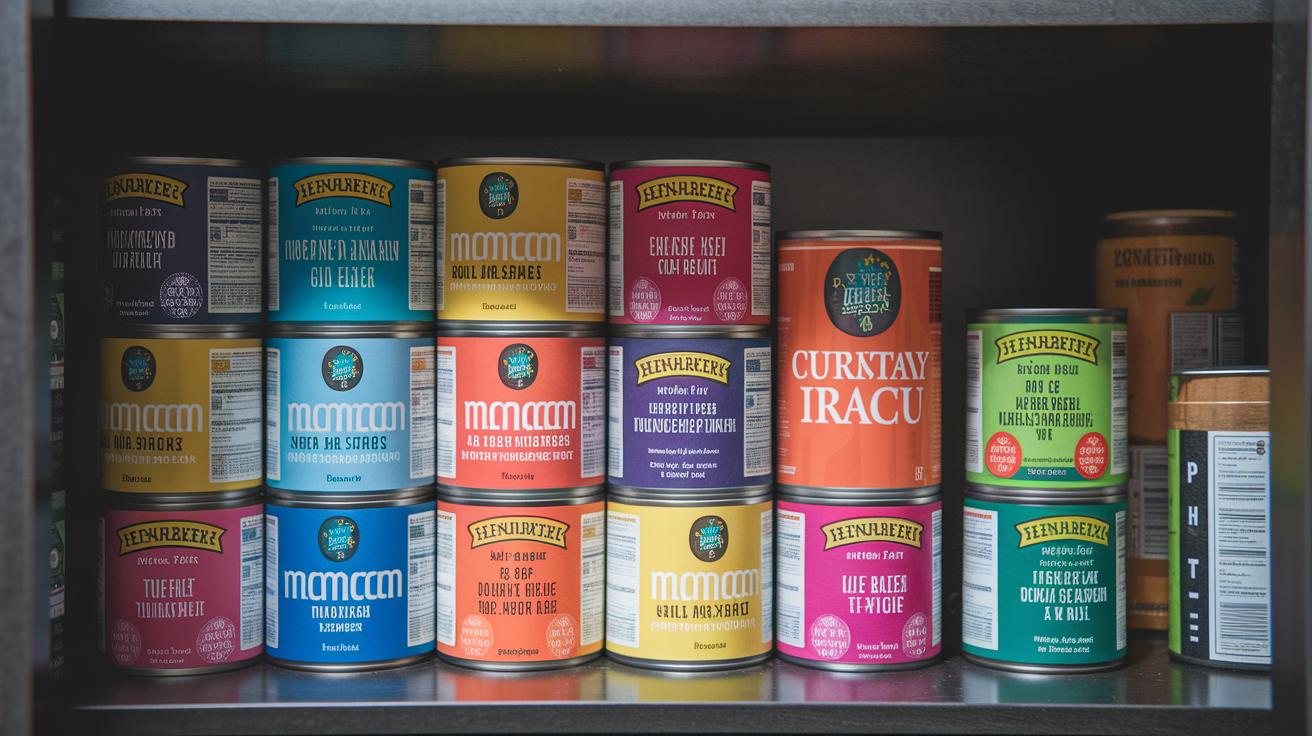
Keep your canned foods in a cool, dry spot out of direct sunlight to help them last longer. Use older items first so nothing goes to waste. You might even store canned fish and veggies on a lower shelf for quick access when things get hectic. For example, keep your tuna cans tucked away in a dark corner to preserve that fresh omega-3 goodness.
Canned fish don’t just provide protein, they pack a punch of omega-3 fatty acids and vitamin D that’s great for your heart. Try this little twist: drizzle some olive oil over canned salmon and sprinkle a few herbs on top to wake up its flavor when you have extra on hand.
Canned meats and protein bars add a nice variety with their hearty calories and convenience. They’re full of nutrients, making them perfect for a speedy meal. Imagine tossing chopped Vienna sausages onto a crisp salad or crumbling a protein bar over a warm bowl of instant oatmeal during a power outage.
For a fun burst of flavor, mix your canned vegetables with a handful of your favorite spices. Stir in canned carrots and peas with just a pinch of seasoning to create a cozy side dish that brightens any meal.
| Food Option | Extra Benefit / Tip |
|---|---|
| Canned Fish | Rich in omega-3s and vitamin D; store in a cool, dark place to keep nutrients fresh |
| Canned Meats | Ready-to-eat protein boost; great for adding to salads or mixing into quick recipes |
| Protein Bars & Nuts | Loaded with energy and vitamins; enjoy on their own or as a topping for other dishes |
| Canned Vegetables | Provides fiber and essential vitamins; enhance with spices for a creative side dish |
| Crispy Snacks | Add extra crunch and variety; mix with other canned items for a satisfying bite-size meal |
Hurricane Food Prep: Smart, Fresh Essentials
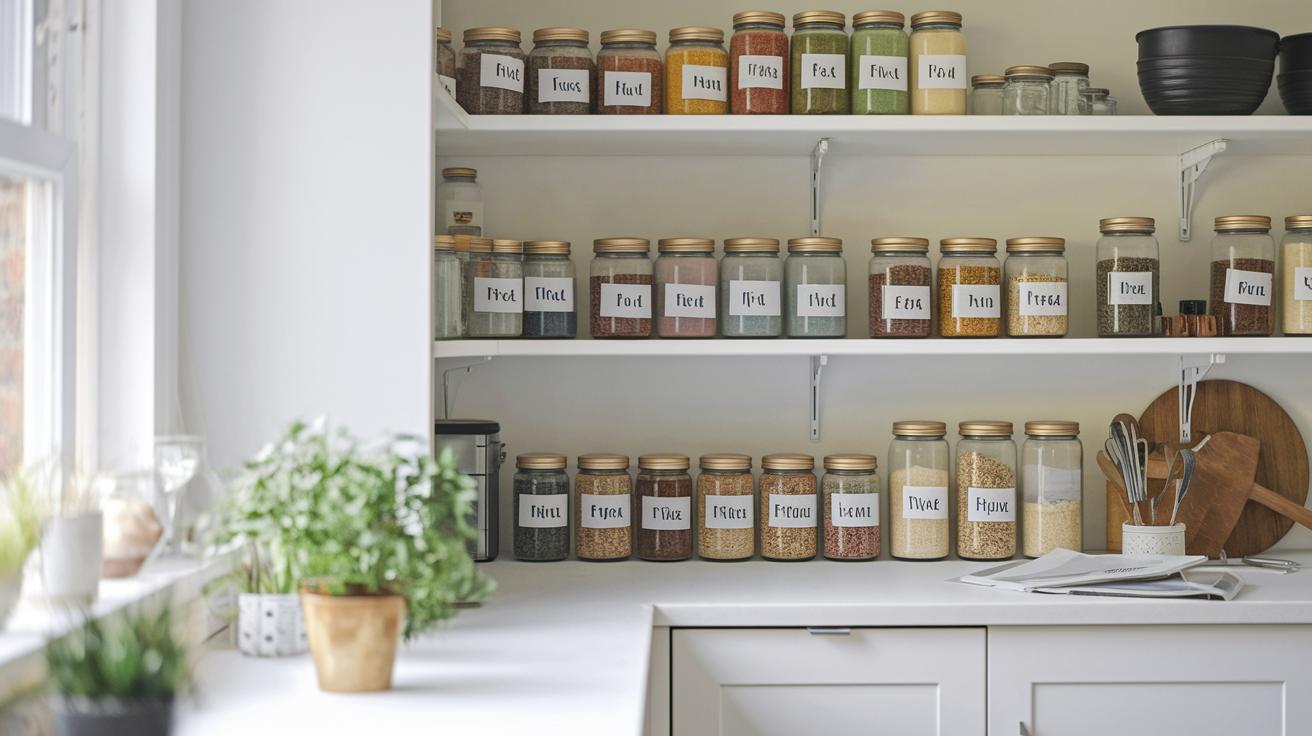
Begin by organizing your emergency stash into neat groups, think peanut butter, canned or dried fruits, soups, pasta, and your favorite snacks. It helps to label each group with the food name and the date you bought it. For example, you might mark a can of soup with “Purchased 03/15, use me next,” much like keeping your spices in order so that the classics come first.
Next, use a first in, first out method. This means putting the older items in front so nothing goes to waste. It’s a bit like rotating your tires every season to keep things in perfect shape.
Also, mix both small individual portions and bulk packs, you may need a little for yourself and more if you’re sharing with friends or neighbors. Picture a well-organized pantry working like a finely tuned kitchen, always ready for any culinary challenge.
Key tips to follow:
- Group and label all items by category.
- Write down purchase dates and rotate stock accordingly.
- Combine individual portions with bulk packs for everyday use.
| Item Group | Rotation Tip |
|---|---|
| Canned Soups | Use oldest first |
| Snacks | Keep accessible for quick energy |
Hurricane Food Prep: Rapid-Prep Meal Kits & Portable Snack Solutions
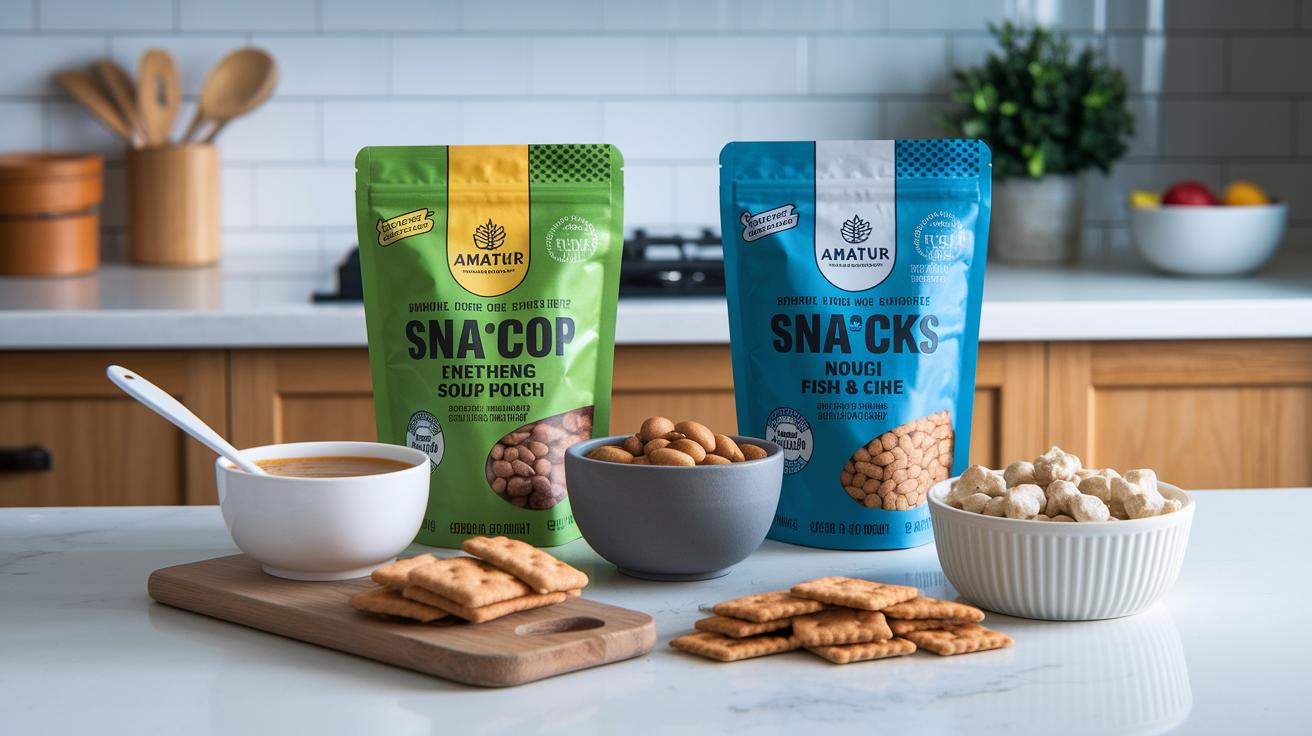
When the weather turns rough and cooking feels like too much effort, think about grabbing meals that need no heat at all. Picture a warm, filling soup pouch paired with a protein bar that gives you a burst of energy, no stove, just a ready-to-eat treat.
Plan ahead with snacks you can grab on the go. Stock up on:
- Nuts and nut butters for a quick energy kick
- Trail mix that packs a high-calorie punch in every bite
If you're in the mood for something crunchy, try pairing your favorite crackers with canned fish or a handy cheese pouch. These tasty combos mix ease with texture, letting you enjoy your snack without any extra work.
For an extra bit of convenience, prepare portable meal kits that slide nicely into your grab bag. These kits are made to be simple and compact, so you’re always just a few steps away from a no-cook, satisfying meal when time is tight.
Hurricane Food Prep: Ensuring Food Safety & Secure Storage
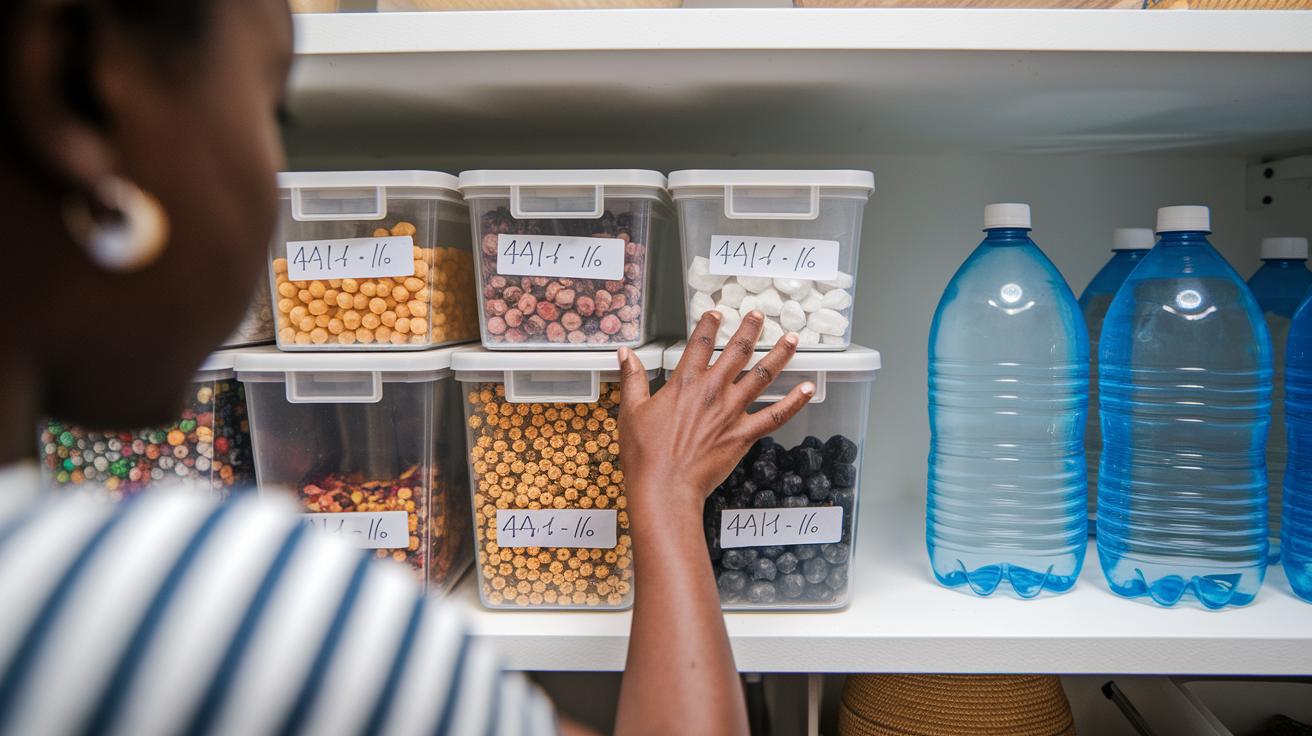
When a hurricane is on the way, the last thing you want to worry about is spoiled food. Start by focusing on non-perishables and toss any perishables that have been left out for over four hours. And don’t forget hydration, plan for one gallon of bottled water per person per day, and keep some water purification tablets around in case your local supply gets cut off.
Invest in containers that keep out pests and moisture, like airtight bins or Mylar bags with oxygen absorbers. It’s a good idea to label each container with the date you bought the food, then keep everything in a spot that’s easy to reach so you can rotate items without a fuss.
Here are the safety basics you should keep in mind:
- Get rid of food that has sat out too long.
- Check container seals regularly for any leaks, moisture, or damage.
- Organize your supplies so you can grab what you need quickly.
- Always have plenty of water and hydration options on hand.
For even more handy tips on how to handle food storage, keep your kitchen clean, and protect your appliances during an emergency, check out the Kitchen Safety Guide (https://webehoney.com?p=1401). These simple steps will help you keep your food safe and your pantry ready for anything.
Final Words
In the action, this guide has laid out an essential pre-storm food prep checklist, from stocking up on water and proteins to organizing your survival pantry inventory. It walks you through building a tailored meal strategy and comes loaded with rapid-prep meal ideas to simplify your routine during emergencies. By keeping your hurricane food prep plan sharp and easy to follow, you're set to impress friends with your resourcefulness and keep your kitchen running smoothly. Enjoy the process and feel empowered by your pre-storm planning mastery!
FAQ
What does a hurricane food menu and prep plan involve?
The hurricane food menu should include balanced proteins, grains, fruits, vegetables, and high-calorie snacks in non-perishable forms that are easy to store and serve, ensuring you’re ready even if the power fails.
How does one create a hurricane preparedness checklist with all necessary supplies?
A hurricane preparedness checklist covers essential water supplies, canned proteins, grains, and manual tools like a can opener, along with proper storage solutions to keep your food safe and accessible.
What defines a good hurricane food kit with healthy, non-perishable options?
A hurricane food kit blends nutrient-dense canned items, protein bars, dried fruits, and shelf-stable dairy alternatives, offering balanced nutrition and long-lasting shelf life during any emergency.
What food items should you stockpile from the grocery store for hurricane survival?
Stockpile items like canned fish, vegetables, protein bars, nuts, and crunchy snacks, which provide enduring nutrition, require minimal preparation, and serve as reliable energy sources during extended outages.