
Have you ever thought that a small tweak in your cooking could spark a whole new food movement? Chef Aarón Sánchez shares his story, mixing his deep Mexican heritage with modern cooking tricks that light up your taste buds.
He chats about how methods like sous vide (a gentle, slow cooking method) and creative flavor infusions are turning ordinary meals into exciting experiences. It feels like you’re sitting down with an old friend who’s breaking kitchen rules just to see new flavors come alive.
His story isn’t just about cool techniques, it's a warm invitation to experiment and add your own twist. So, why not dive in and see how a little culinary daring can change the way you cook and eat?
Expert Interview Overview: Unlocking Modern Culinary Techniques

Chef Aarón Sánchez, a familiar face from Chopped, Heat Seekers, and FOX Life’s Aarón Loves New York, shares his journey from a family rich in Mexican culinary traditions to a pioneer of modern cooking. Imagine a kitchen where every tool opens the door to new flavors, turning a simple ingredient into a true work of art.
Drawing from years of hands-on experience, Chef Sánchez explains his innovative techniques that mix creative flair with exact precision. He dishes out stories inspired by culinary giants such as Grant Achatz, known for his vacuum-infusion flavor pods that burst with unexpected taste, and Nathan Myhrvold, whose sous vide methods (a cooking method in which food is vacuum-sealed and cooked in temperature-controlled water) transform texture into a delightful experience. Even Ruth Reichl adds her seasoned perspective, reminding us how every plate can tell a personal story.
The chat also kindles a spark of motivation. Kiri Tannenbaum's call to "Dream First, Details Later" nudges us to experiment without fear, while Ellen Bennett shares her wise tips on blending science-driven techniques with everyday home cooking.
This refreshing conversation does more than reveal innovative cooking and artistic plating, it dives into how digital culinary trends are reshaping our kitchens. It’s a story meant to inspire anyone looking to heighten their kitchen skills and explore the delicious side of modern cooking.
Exploring Molecular and High-Tech Methods with Our Expert
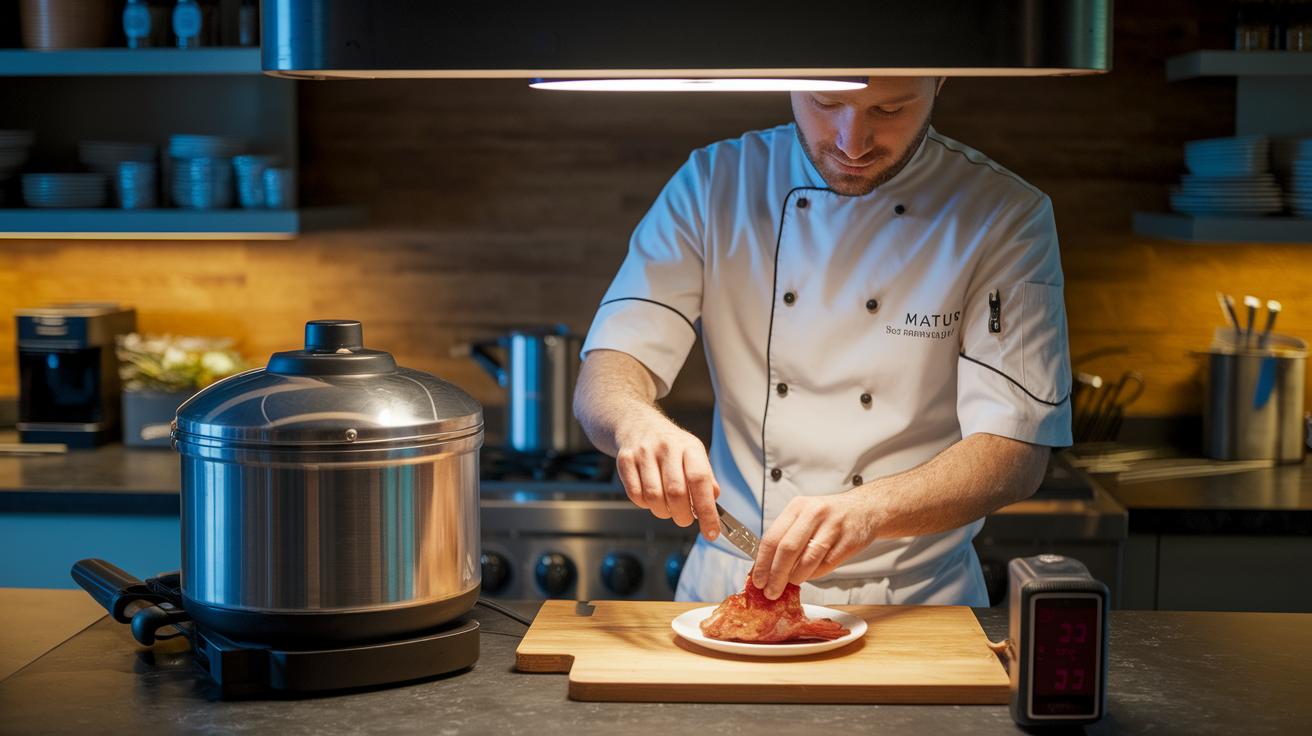
Molecular gastronomy has flipped the kitchen world, blending science with art to turn everyday ingredients into something truly special. Modern kitchens buzz with small, precise gadgets and creative techniques that let chefs control flavors and textures down to the tiniest detail.
Sous Vide Mastery
Ever given sous vide a try? Think of placing your food in a sealed bag and then gently cooking it in a water bath set to just the right temperature. Chefs like Grant Achatz love how this method locks in moisture and preserves nutrients. With gear like immersion circulators and precision digital thermometers, every step feels like a careful dance, ensuring each bite is evenly tender and bursting with flavor.
Spherification Techniques
Spherification turns liquids into tiny, flavor-packed spheres that pop in your mouth. It's a bit like creating edible bubbles that add both surprise and a punch of taste to your dish. At innovative spots like Alinea, chefs mix everyday ingredients such as sodium alginate with a pinch of calcium salts to form these delightful spheres. They add a playful twist that makes every bite a small, exciting adventure.
Rapid Infusion & Gelification
Ever wanted flavors to seep into your food in a flash? With rapid infusion under reduced pressure, ingredients soak up bold flavors quickly, giving dishes a boost of vibrancy. And then there's gelification, where a simple ingredient like agar-agar (think of it as a plant-based gelatin) helps create a tender yet firm texture. Chefs use trusty tools like compact vacuum sealers and digital timers to hit the mark every single time.
Advanced Emulsification
Imagine a foam so light it almost floats off your spoon. With advanced emulsification, chefs use ultrasonic homogenizers to create smooth, airy foams that elevate both the taste and the look of a dish. It's a modern twist that turns cooking into an art form, where each spoonful is a fun exploration of texture and flavor.
Bridging Art and Science: Visual Presentation and Plating Evolution

Today’s kitchen is more than a place to whip up tasty treats; it’s a creative space where science and art mix on every plate. Chefs now see each dish as a mini canvas, carefully arranging every ingredient like a splash of color on a fresh backdrop. Imagine a meal where each component is placed with the care of an artist, turning your dining experience into a delightful stroll through a small art gallery.
Photographer Ana Lorenzana captures these moments with the precision of a chef and the vision of a painter. Picture a chef gently laying out tiny microgreens next to a bright, pure sauce, a bit like an artist layering colors to stir up emotion. A simple swipe of beet puree can take center stage just as a bold red accent transforms a simple drawing.
Chefs like Achatz take it a step further by turning each course into its own little story. They mix design secrets into every bite, ensuring every detail, from the careful arrangement to the balanced mix of flavors, plays its part. In this creative dance, every dish invites you not only to taste but also to enjoy a visual journey.
Integrating Digital and Online Learning in Contemporary Kitchens

Digital tools are giving chef education a fresh twist by bringing advanced techniques straight into the heart of every kitchen. ICE’s Online Culinary School serves up an easy-to-follow, on-demand set of lessons that break down modern cooking methods into bite-sized, interactive pieces. In these online sessions, instructors like Kiri Tannenbaum and Ellen Bennett walk you through each step, making the digital experience just as hands-on as a real workshop. Imagine practicing your plating skills on a virtual-reality kitchen simulation that mirrors a high-end restaurant setup.
This fresh approach makes top-tier culinary training both scalable and fun, letting you learn wherever and whenever you want. Rather than just watching a live demo, you get instant, real-time tips from expert chefs. Virtual labs recreate complicated techniques in a way that turns them into simple, repeatable steps. For example, practice in a digital kitchen gives you immediate feedback on your technique and helps you fine-tune those flavors.
The rise of digital platforms has completely changed the game by encouraging feedback, global teamwork, and a bit of creative culinary play. In this virtual kitchen world, every student gets the chance to safely experiment with new tricks and master higher-level skills. Mixing digital tech with cooking not only sparks creativity but also takes your culinary journey to new heights, turning each session into an exciting blend of taste and technique.
Culinary Trends Shaping the Next Generation of Chefs
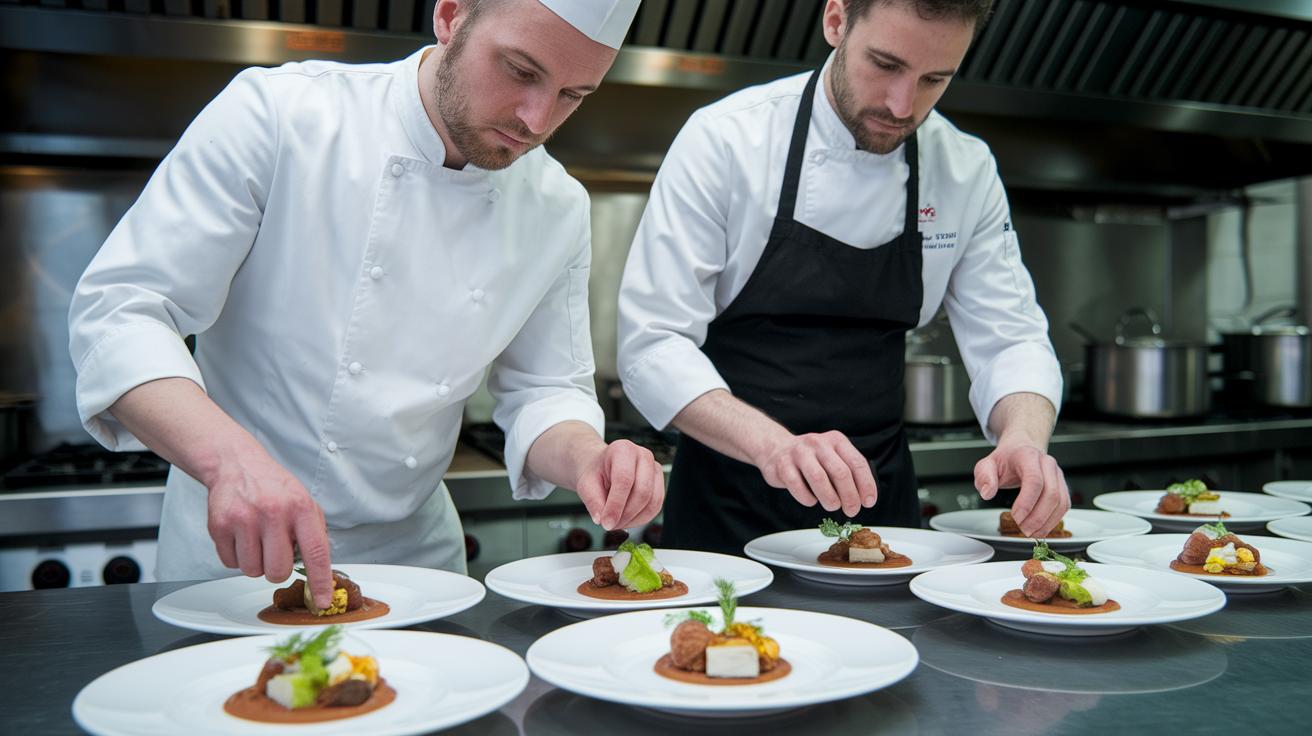
Chefs today are taking cooking to a whole new level, turning every meal into an adventure you won't forget. They’re mixing flavors in fun ways, think smoky paprika with a splash of citrus. For example, Chef Luis even tweaked his signature sauce by mixing black garlic with passion fruit, creating a lively balance of sour and sweet. This fresh style is part of a bigger trend where cooking traditions from around the world come together, yet every dish still feels personal.
Another trend grabbing attention is sustainable sourcing. More kitchens are embracing the farm-to-table idea, making sure that every ingredient is fresh and kind to the earth. Imagine a chef wandering through a local market, picking up heirloom tomatoes and wild herbs that add a burst of brightness to each dish.
Fun collaborations and pop-up dining events are also making waves. Chefs are teaming up in creative ways, breaking the mold of traditional menus. Picture a night of pop-up dinners where every course is a joint effort from chefs with different cultural backgrounds, each dish sharing its own little story.
From plant-based twists to immersive dining experiences, these trends are stirring up the future of cuisine. They’re even starting new conversations at food science meet-ups and modern cooking chats, setting the stage for tomorrow’s culinary leaders.
Personal Journey and Inspirations Behind Cutting-Edge Recipe Innovation

Chef Aarón Sánchez was raised amid the lively scents and sounds of New York's top Mexican eats. He watched his dad work wonders with simple ingredients, turning them into unforgettable feasts. Picture a young chef in a buzzing kitchen, where every spice mix and sizzling sound sparked his passion, a memory that still brings him joy today.
His culinary path mixes old family recipes with exciting, modern twists. At ICE’s Online Culinary School, he dove into new techniques, including his first brush with spherification (a method to transform liquid into small, flavor-packed pearls). He fondly recalls the wonder of watching a liquid burst into texture and taste, like a little explosion of flavor that changed everything.
With his motto, "Dream First, Details Later," he jumps into every recipe with bold creativity. Staying true to his family roots while experimenting with fresh, futuristic ideas, he blends tradition with innovation. His journey from classic Mexican dishes to daring, cutting-edge creations inspires both budding cooks and seasoned chefs alike.
Practical Tips: Applying Advanced Techniques in Home and Professional Kitchens

Every cook today, whether working in a busy restaurant or at home, is excited to try new tricks that make meals even more delightful. Fancy methods like molecular gastronomy (cooking that uses science for fun textures) and precise flavor blending can really lift your dishes. To make these techniques work in your everyday cooking, keep an eye on your tools, measurements, and getting everything ready before you start. Tips from experts like ICE and Kiri Tannenbaum can guide both home cooks and kitchen pros on this creative journey.
Here are five simple steps to give your cooking a fun, advanced twist:
-
Choose the Right Equipment
Get essential tools like an immersion circulator and a pH meter. These help keep your cooking temperature steady and balance your flavors perfectly. -
Master Precise Measurements
Use a digital scale that measures to 0.1 g. Being exact with your measurements is the key to making sure every dish turns out just right. -
Practice Hydrocolloid Basics
Start with ingredients like agar, xanthan gum, and lecithin. Learning how to use these safely lets you experiment without worrying about changing the dish’s texture. -
Develop Flavor Pods
Try making your own flavor pods using a vacuum sealer. This method locks in all those wonderful aromas, turning plain liquids into concentrated bursts of taste with very little extra effort. -
Refine Presentation
Before you even heat the pan, take a moment to sketch out your plate layout. A planned presentation not only makes the meal look beautiful but also shows off your passion for cooking.
By following these easy steps, you can mix up art and science in your kitchen and take your culinary creativity to exciting new levels.
Audience Questions: FAQs on Modern Culinary Techniques

-
What’s the learning curve for sous vide?
Sous vide cooking might seem a bit daunting at first. But once you have a good immersion circulator and a digital thermometer handy, it really becomes simpler. Many cooks find that this slow, gentle method locks in all the flavors and moisture, making the learning process both fun and tasty. -
How safe are hydrocolloids?
If you’re curious about hydrocolloids like agar and xanthan gum, rest assured, they’re perfectly safe when you follow trusted recipes and guidelines. Sticking to the proven techniques means you can achieve those smooth, perfect gels without any worry. -
Can molecular techniques really work in home kitchens?
Absolutely! Fancy methods like spherification and rapid infusion are not just for fancy restaurant kitchens. With budget-friendly kits and step-by-step instructions, you can experiment with these techniques right at home. Just remember, a bit of hands-on practice and careful measurements go a long way. -
Which online courses offer the best instruction?
Many cooks love the ICE online modules, which come highly recommended by experts such as Ellen Bennett and Chef Sánchez. These courses are designed to be easy to follow, whether you’re just starting out or are already comfortable in the kitchen, giving you the tools to master modern culinary methods in no time.
Final Words
In the action, our article took you on a flavorful journey, from Chef Aarón Sánchez’s transformative insights to breakthrough methods like sous vide, spherification, and rapid infusion. We unraveled the art of visual plating and explored how digital learning is reshaping kitchens. Practical tips and clear answers aimed to boost your confidence in experimenting with new recipes. This modern culinary techniques expert interview highlights how blending science and art can elevate your home dining experience. Enjoy trying these fresh ideas in your own kitchen!
FAQ
Q: What are the 5 P’s of cooking?
A: The 5 P’s of cooking encapsulate preparation, presentation, precision, professionalism, and passion, ensuring that every dish is thoughtfully crafted and artistically plated.
Q: What are modernist cooking techniques?
A: Modernist cooking techniques employ scientific methods such as sous vide, spherification, rapid infusion, and advanced emulsification to transform textures and boost flavor in innovative dishes.
Q: How to answer culinary interview questions?
A: Answering culinary interview questions involves blending personal cooking stories with technical expertise, showcasing both foundational skills and modern techniques to convey your culinary passion.
Q: What are the 4 pillars of cooking?
A: The 4 pillars of cooking include flavor, texture, presentation, and technique, which together create a balanced and engaging culinary experience that appeals to all the senses.