
Ever wonder if a stocked pantry can be your lifesaver when things go sideways? Building a food stash isn’t about gathering outdated canned beans or grains. It’s a clever plan that fills you with hope when life gets unpredictable.
Imagine your pantry as a trusty helper, keeping its flavor and nutrition fresh for years, like a little time capsule of taste. By planning ahead, you set the stage for a calm, resilient future, even when the world feels uncertain.
Curious to see how a few simple essentials can transform your survival tale?
Core Principles of Doomsday Food Prep

Imagine setting up your pantry so you're ready for any emergency. This kind of planning means you'll have food that lasts long and stays safe, even when life throws surprises at you. Think of it like stocking a secret stash of ingredients that can keep their goodness for years. For instance, did you know that some grains, if stored in a tight container, can stick around for up to 25 years? That long shelf life is a real game changer when you need food to really stand the test of time.
Now, the trick is to focus on foods that require little extra work and won't spoil quickly. Picture picking up extra canned beans, grains, or protein bars on your usual grocery run. One handy tip is to fill your cart with beans that can be good for more than 10 years if stored the right way. This means your regular shopping trip doubles as a way to build a reliable food reserve.
At its heart, the idea is all about knowing how long your foods will last and what they need to stay fresh. Start by jotting down the essentials and then follow a simple rule: first in, first out. That way, your stockpile stays fresh and ready, making sure you have nutritious options lined up when you need them most.
Doomsday Food Prep Shelf-Stable and High-Calorie Essentials
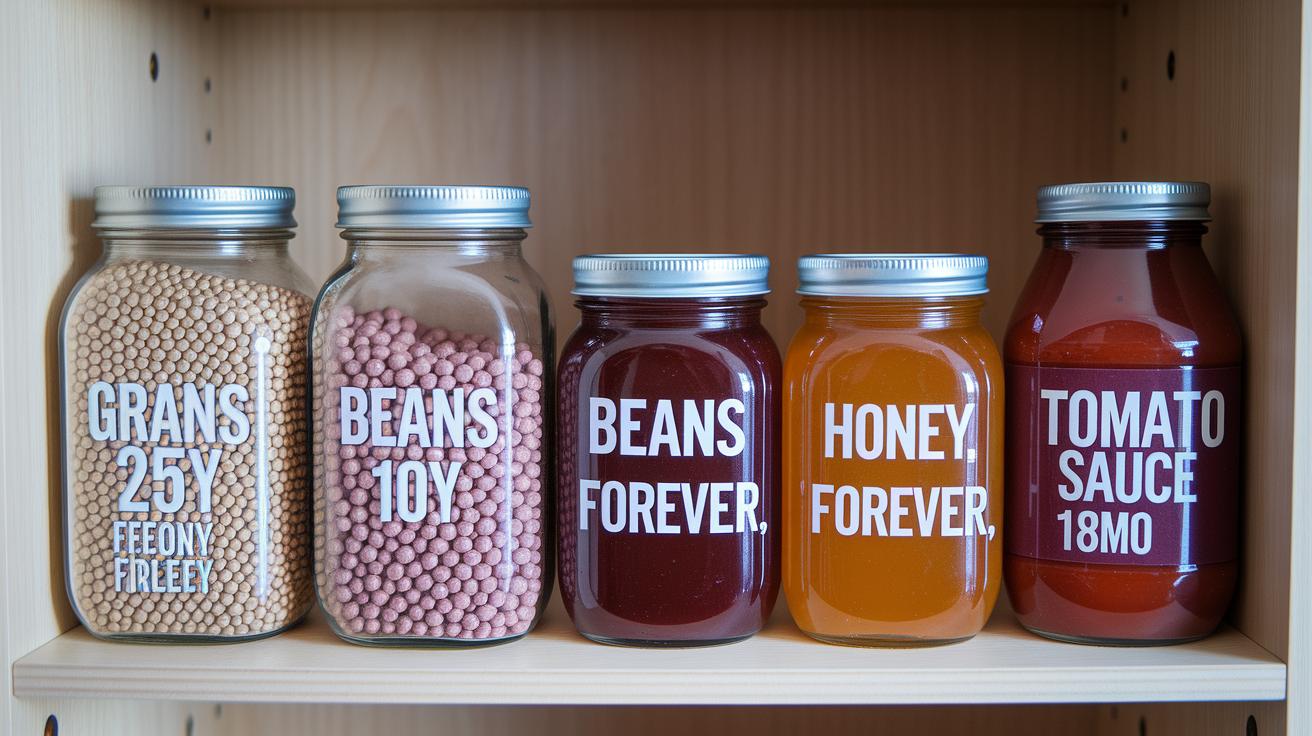
When emergencies hit, you want foods that deliver both nutrition and longevity. Picture having grains that can last up to 25 years when kept in sealed, oxygen-free containers, or beans that stick around for more than 10 years if stored right. High-acid goodies like tomato sauce stay safe for about 18 months, while their low-acid cousins can hold out for up to 5 years. And hey, think about honey, it lasts forever! Plus, protein bars offer a neat boost without needing any fridges.
It’s not just about energy, though; you also need items that perk you up and help you stay hydrated. Dried fruits, for instance, are great for a quick burst of sweetness even if they only last around a year. Dried veggies, which do well for about 6 months, are handy for sprucing up any meal. Then there’s instant coffee and powdered drink mixes to keep you alert and ward off dehydration during long, tough times. These trusty nonperishables make setting up an emergency stash as simple as regular grocery shopping.
| Item | Shelf Life | Storage Tips |
|---|---|---|
| Grains | Up to 25 years | Airtight, oxygen-free containers |
| Beans | Over 10 years | Cool, dry place |
| High-Acid Canned Goods | 18 months | Keep sealed and in a cool area |
| Low-Acid Canned Foods | Up to 5 years | Avoid temperature extremes |
| Honey | Indefinite | Store at room temperature |
| Protein Bars | Varies | Cool, dry storage |
| Dried Fruits | ~1 year | Sealed packaging |
| Dried Vegetables | ~6 months | Keep moisture-free |
These staple items are handpicked for their long shelf lives and low fuss when it comes to storing. They open up a world of meal possibilities and give you that quick energy hit, so even when things get challenging, you know you’ve got easy-to-prepare, high-calorie foods ready to nourish you.
Doomsday Food Prep Advanced Preservation Techniques

Keeping food safe for the long haul is all about keeping moisture and oxygen at bay. When you use Mylar bags along with oxygen absorbers, you form a tight, protective seal that blocks air and water. It’s like tucking each ingredient into its own warm, secure blanket. For example, storing grains in these bags locks in freshness and helps prevent spoilage.
Freeze-dried meals and powdered foods are perfect for when you need supplies that last for a long time. Most freeze-dried meals come back to life with just a splash of water, keeping both their flavor and nutrition. They don’t need to be refrigerated, which makes them ideal for emergency rations. Plus, their lightness and compact size make them a space-saving choice.
Sturdy, portable buckets also play a big role in keeping your food safe on the go. They’re great for moving your emergency meals if things ever get rough. And remember to keep a few essential spices like salt and white vinegar in your stash. Not only do they make your food taste better, but they also help preserve your meals and even work as handy cleaning agents. It’s like having a mini multi-tool right in your pantry!
Doomsday Food Prep Sparks Hope for Survival

FIFO (First In, First Out) is like a simple kitchen trick to make sure your emergency food supply stays fresh. It helps you use up the older goodies before you reach for the new ones, keeping waste low and your stash ready when every bite really matters.
Labeling every container with its buying and expiry dates is a must. That way, you can easily spot which cans of beans or bags of rice are ready to be enjoyed. It’s like having your own organized pantry where nothing gets lost. A good log turns your stockpile into a well-oiled machine.
Here are some quick kitchen tips:
| Tip | Description |
|---|---|
| Review container conditions | Take a look each month and check for any signs of spoilage. |
| Record purchase & expiry dates | Write these down as soon as you bring the food home. |
| Relocate older items | Move items that need use to the front so they’re the first picked. |
| Cross-check your inventory log | Review it weekly to stay on top of everything. |
| Schedule regular audits | Plan checks to rotate and refresh supplies often. |
Budget-Friendly Doomsday Food Prep and DIY Stockpiling
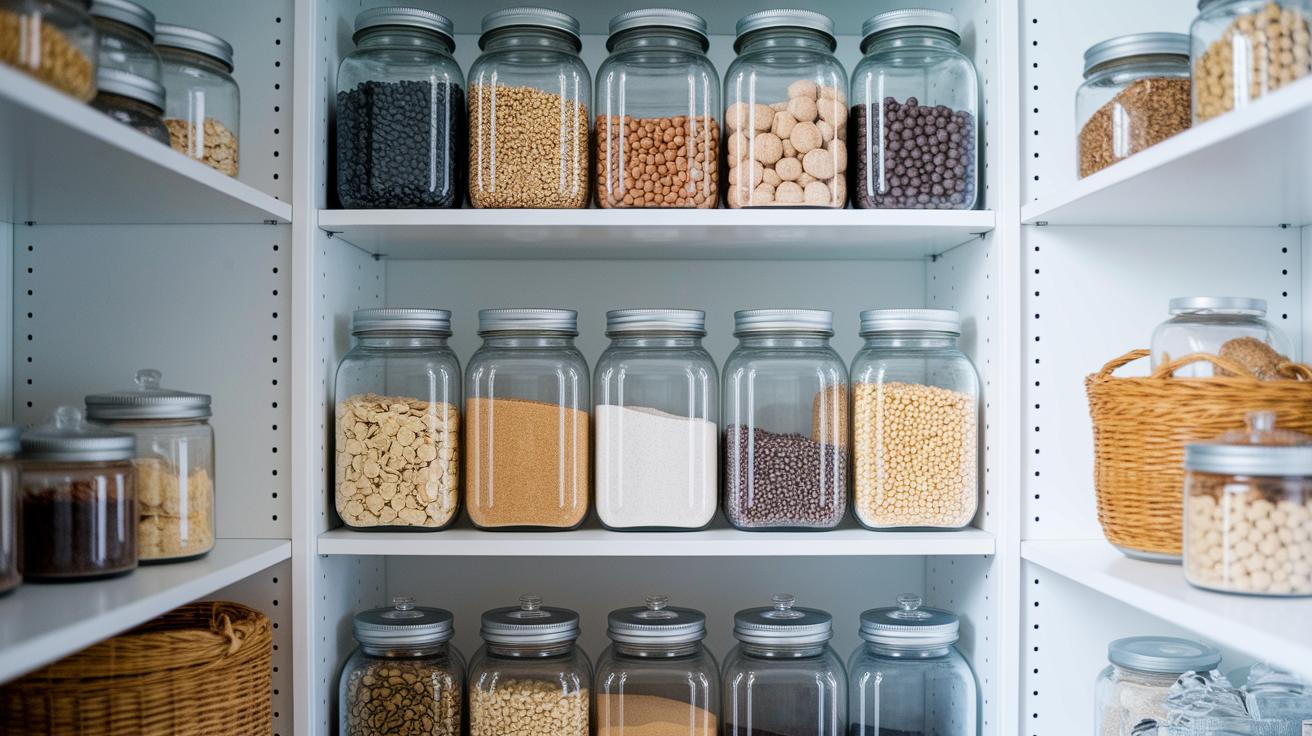
Buying items in bulk is a clever way to save money. It lets you pick up staples like rice, lentils, flour, and oats in large amounts at a lower cost per unit. Plus, you cut down on packaging waste and overall expenses, a neat trick if you're setting up an emergency food reserve. Canned goods, while handy, usually cost more per serving.
Using every bit of your kitchen space can really pay off. Even a small pantry can hold plenty if you get creative with storage. Repurposed jars and trusty Tupperware can be arranged on shelves or stacked in tight spots. When you set up your own DIY system, you can sort items by type and expiration date, so you'll always know what you've got. If you're looking for more ideas, check out eco-friendly storage tips in your favorite kitchen guide.
- Rice, lentils, and oats bought in bulk
- Canned goods kept in repurposed jars
- DIY-labeled containers for dry items
- Reusable, space-saving Tupperware options
Doomsday Food Prep Sustainable Survival Recipes
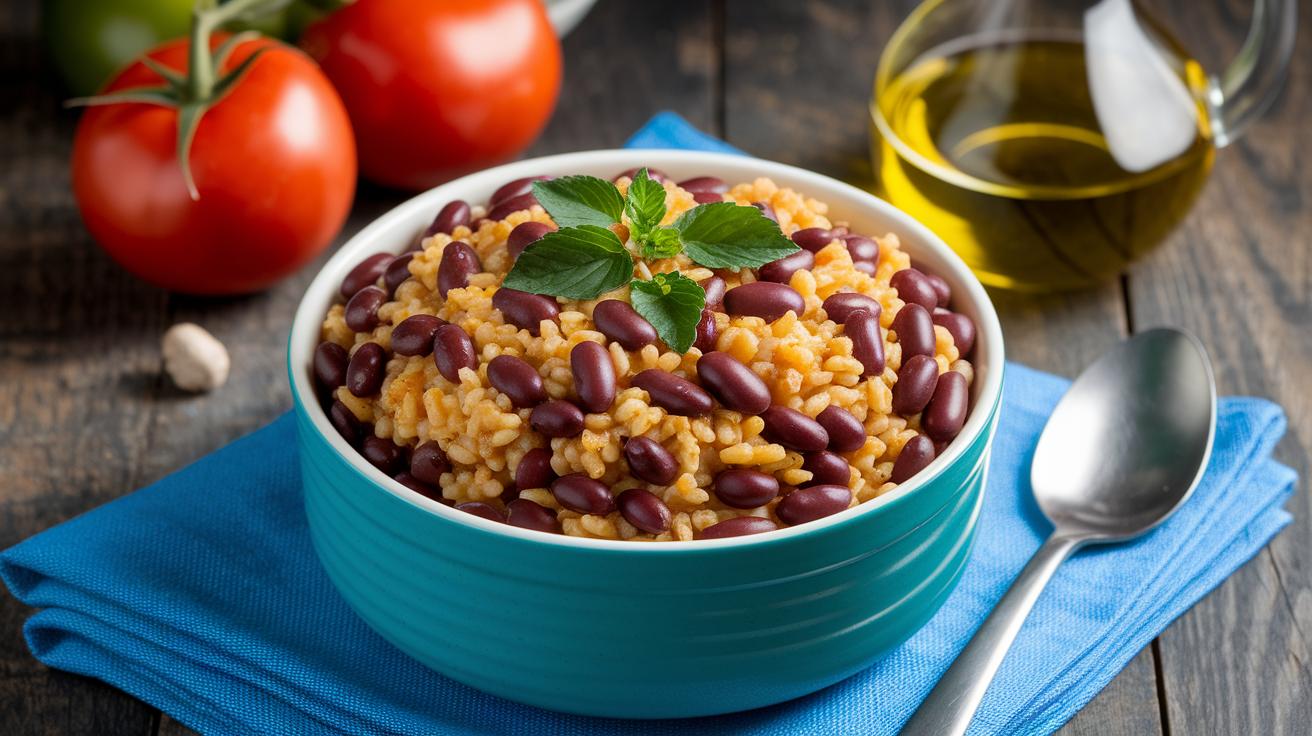
When planning for the long haul, it's all about a good mix of nutrition, taste, and shelf life. Think of recipes that are both filling and flexible, so you can adapt them based on what you have in your pantry. Picture a simple bean-and-rice dish with a gentle sprinkle of chili powder or Italian seasoning that turns everyday ingredients into a warm, energy-boosting meal. This kind of plate gives you plenty of protein and carbs while keeping your taste buds smiling.
-
Bean-and-Rice Casserole
- Ingredients: Pre-soaked dried beans, rice, chili powder, Italian seasoning, canned tomatoes, and a dash of olive oil.
- How to make: Soak your beans overnight, cook the beans and rice on their own, then mix them with tomatoes and spices in a pot and let it all simmer until the flavors blend nicely.
- Shelf-life tip: Keep the dry ingredients stored in airtight containers for years, but plan to finish the combined dish within a few days after cooking.
-
Lentil-Oat Power Soup
- Ingredients: Lentils, oats, a mix of freeze-dried vegetables, garlic, salt, and water.
- How to make: Rinse the lentils, combine them with oats and rehydrated vegetables, then season with garlic and salt. Let it simmer until you get a thick, nourishing soup.
- Shelf-life tip: The dry parts last a long time, yet the soup tastes best when enjoyed fresh or preserved properly using canning methods.
These recipes are built to be switched up. Feel free to change the spices or toss in some extra dried fruits for a touch of natural sweetness. Even when times are tough, your meals can still be creative and comforting.
Maintaining Your Doomsday Food Prep Pantry
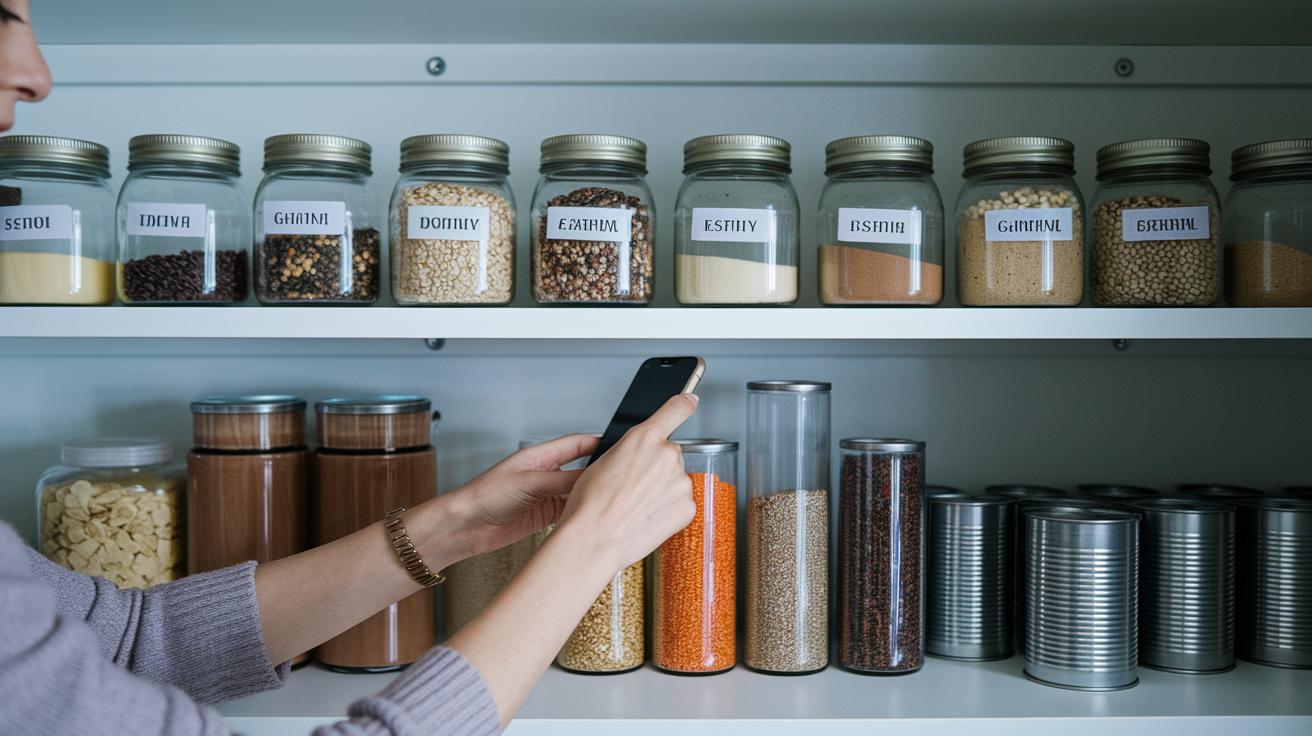
Every month, take a moment to check on your food supplies, much like you’d test a fruit for ripeness. Look over your stock, note any spoiled items, and update the numbers and expiration dates as you go. Think of it as a friendly reminder to keep everything fresh and safe.
Set up your storage areas with clear labels so you can grab what you need in a hurry. Group similar items together, like putting grains in one spot and canned goods in another, and mark each container with the purchase and expiration dates. This way, everything is easy to find when you need it most.
- Store extra supplies off-grid in a garage, shed, or even a vehicle.
- Rotate your items regularly by checking them off on a simple list.
- Keep a backup reserve separate from your main pantry.
- Do a quick audit every few months to make sure all your areas are in order.
- Update your inventory log often so that older items get used first.
Final Words
In the action, we broke down doomsday food prep fundamentals, from food shelf life to pantry staples that require almost zero effort. We dove into essential shelf-stable ingredients, smart preservation techniques, and clever stockpile rotation strategies. You also got budget-friendly DIY ideas and innovative sustainable survival recipes that spark creativity in the kitchen. Each section was designed to empower you with actionable tips for effortless gourmet cooking with lasting supplies. Embrace these insights and enjoy the journey to mastering doomsday food prep.
FAQ
What is a 25-year emergency food supply?
A 25-year emergency food supply means having carefully selected, long-lasting foods that remain safe for 25 years, ensuring you can stay nourished during extended emergencies.
What are the best survival food kits?
The best survival food kits offer ready-to-eat, shelf-stable meals that require little preparation and pack essential nutrients for use during emergencies.
What should an emergency food supply for a family of 4 include?
An emergency food supply for a family of four includes balanced, calorie-dense, and long-lasting foods that provide nutrition and energy while needing minimal preparation.
What do survival food companies offer?
Survival food companies provide specialized products like meal kits and food buckets designed for long-term storage, ensuring you have reliable nutrition during crises.
What does a 3-month survival food kit cover?
A 3-month survival food kit covers a range of shelf-stable, nutrient-rich meals that are simple to prepare, ensuring sustained energy and nutrition for an extended period.
What is in a survival food bucket from Costco?
A survival food bucket from Costco typically includes a variety of ready-to-eat, durable, and long-lasting food items packaged together to support emergency meal prep.
What is the best 25-year emergency food supply?
The best 25-year emergency food supply features a diverse range of high-quality, minimally processed items that perform reliably over decades, offering dependable nutrients in dire situations.
What is MRE survival food?
MRE survival food, or Meals, Ready-to-Eat, consists of prepackaged meals that provide balanced nutrition and require little to no preparation, making them ideal for emergency use.
What food is good for doomsday prep?
Foods good for doomsday prep include calorie-dense grains, beans, canned goods, and honey due to their long shelf life, easy storage, and reliable energy content.
What is the best food to stockpile?
The best food to stockpile combines extensive shelf life with balanced nutrition and low prep needs, making staples like rice, beans, and canned items top choices.
What is one single food you can survive on?
One single food you can survive on is rice, as it offers sustained energy, is easy to store, and serves as a versatile carbohydrate staple in various meals.
What is the 2 2 2 rule for food?
The 2 2 2 rule for food suggests keeping two weeks’ worth of supplies for two people using two layers of packaging, ensuring both freshness and accessibility during emergencies.