
Ever notice how a cluttered kitchen can throw off your mood and even your meal prep? A tidy, welcoming space can spark creativity and make cooking feel like a treat. In this post, you'll learn handy tips to wipe down your countertops, organize your appliances, and build a nifty clean-as-you-go routine that keeps your kitchen looking great. We'll share simple, step-by-step ideas to help you tidy up, set daily habits, and dodge those stubborn messes so you can focus on whipping up your favorite dishes. Let's dive into these smart tips and transform your kitchen into a joyful, sparkling haven.
Core Kitchen Cleaning and Maintenance Tips for a Hygienic Kitchen
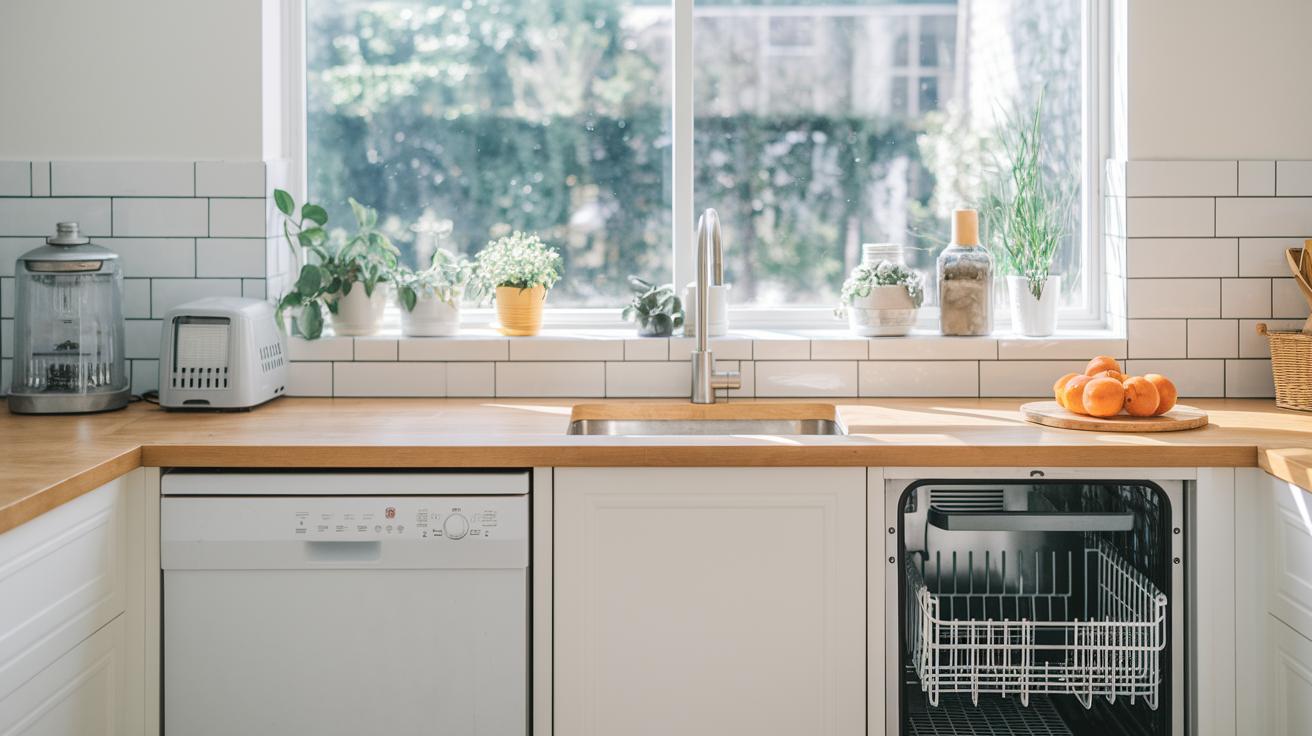
Start by clearing off your countertops and tucking away those appliances you rarely use. This simple step makes cleaning easier and lets you focus on cooking instead of dodging clutter. Imagine how nice it feels to see a clean space before you start preparing a meal.
Before you begin cooking, take a minute to empty your dishwasher and tidy up your work area. It’s like setting the table for a great meal, everything in its place so you can cook without any last-minute stress. Picture yourself stashing away extra utensils and ensuring your cutting boards are fresh and ready for action.
Keep a “clean as you go” habit in mind while you cook. Wipe up little spills right away, use one bowl for food scraps, and keep a few dishtowels nearby for quick cleanups. This approach keeps your kitchen neat and helps you avoid stubborn messes later on.
When working on recipes that call for several steps, switch out your chopping boards to keep each phase crisp and hygienic. If pots or pans start looking grimy with stuck-on food, fill them with hot, soapy water during a break so they’re easier to scrub afterward. For more tips on handy cleaning tools, check out Kitchen Essentials here: https://webehoney.com?p=336.
Creating an Effective Kitchen Cleaning Schedule and Maintenance Routine
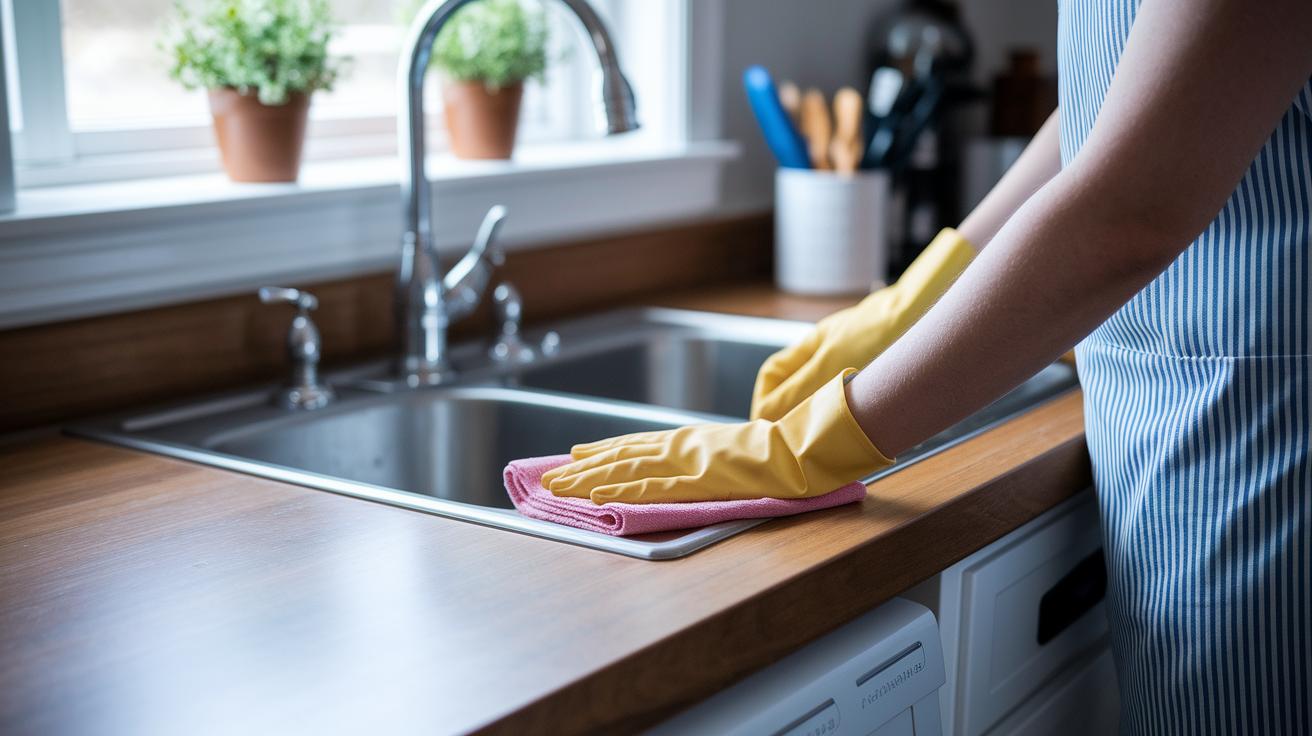
Pick a regular time for cleaning, just like stirring a warm pot on the stove. Every evening after dinner, give your counters a quick wipe-down, load the dishwasher right away, empty the trash, and clean those spots everyone touches. While the water is heating up, why not use that time to unload the dishwasher or sort through food scraps? It’s a little trick that helps keep your kitchen looking neat without taking extra effort.
After you finish unloading, spend a couple of minutes wiping down the sink. This quick move stops grease from sticking around and makes your cooking space feel fresh for your next creation. Make a routine that fits your daily, weekly, and monthly needs so nothing ever gets missed. When cleaning is set up this way, it becomes just another part of your cooking process, not a big, unpleasant chore.
Below is a quick guide for your weekly and monthly cleaning tasks:
| Weekly Tasks | Monthly Tasks |
|---|---|
|
Dust and wipe down cabinet fronts Clean appliance exteriors (like the fridge, microwave, and oven) Scrub the sink and faucet areas Sanitize all the high-touch spots Touch up the grout on the backsplash |
Deep clean and polish stainless-steel surfaces Inspect and clean vent filters Vacuum behind and under the big appliances Dust and clean light fixtures and overhead areas Organize pantry shelves and toss out expired items |
Using a planner made just for your kitchen can help organize these tasks so that your space stays as inviting as a family dinner. Enjoy your cooking and cleaning just like you relish a well-cooked meal!
Deep Cleaning Techniques and Grease Removal for Kitchen Surfaces
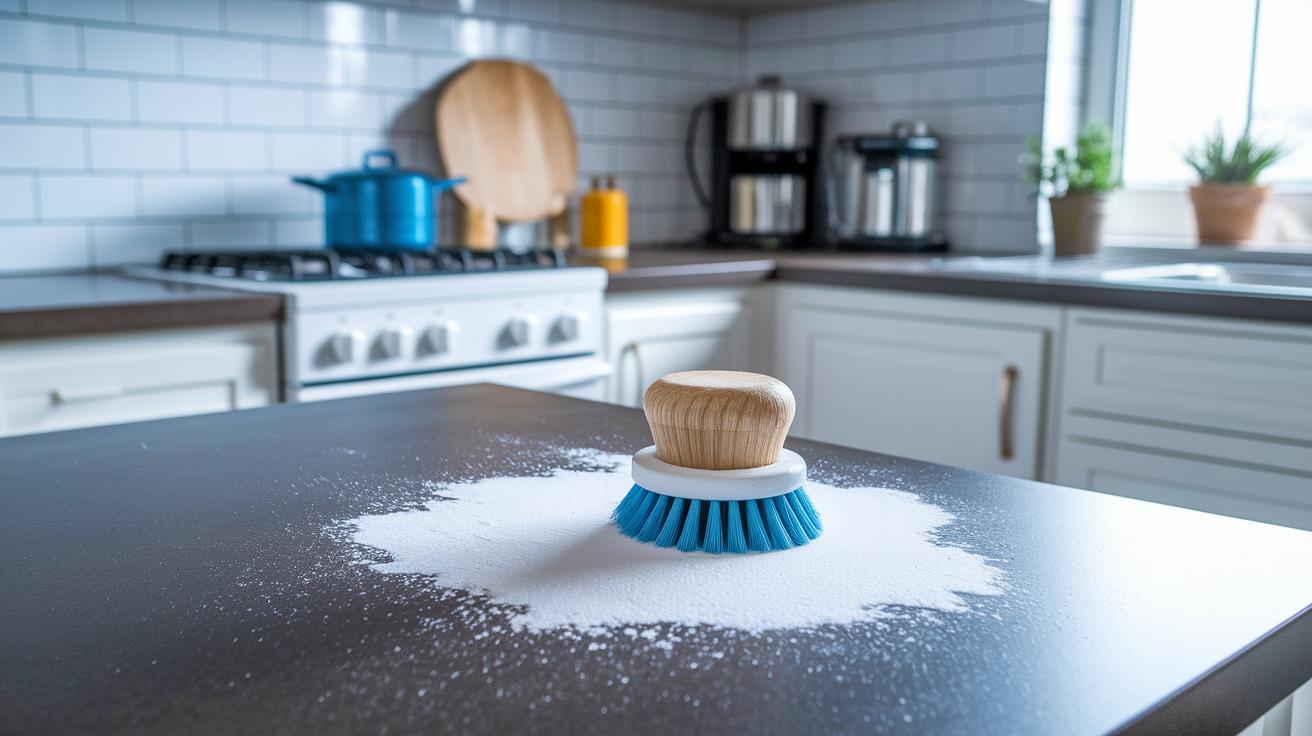
When grease starts to pile up, clean it right away. Letting spills sit gives them the chance to harden into tough, stubborn spots. If you spot a greasy smudge on your stove or range hood, mix a bit of baking soda with white vinegar to form a paste and dab it on immediately. I once quickly wiped away a spill before it set, and it just disappeared like magic.
For those stains that are a bit more stubborn, grab a nylon brush and a soft, non-abrasive sponge. Use the brush to gently scrub the tile grout, where fat and food often hide. When you're cleaning laminate counters, a soft sponge with your homemade paste works just fine.
If your oven racks are loaded with baked-on grime, soak them in hot, soapy water or even a baking soda solution before scrubbing. This little pre-soak helps loosen up the dirt and makes the job easier. And don’t forget, lining your baking sheets and pans with parchment or foil can catch spills and grease, saving you lots of time on cleanup later.
Cleaning up right away not only keeps your kitchen sparkling but also makes it a warm, welcoming space for your next meal adventure.
Kitchen Cleaning and Maintenance Tips: Sparkling Success!

Keep your kitchen appliances shining by giving them regular care. Start with the dishwasher: run a hot wash with vinegar (it breaks down stubborn grease) every month, and each week, clear out filter debris and gently wipe down the door seals. This simple habit stops little buildups from turning into a big headache.
Now let's talk about your oven. You can activate its self-clean cycle every two months or scrub it with a baking soda paste to lift burnt-on spills. And hey, check its temperature with an oven thermometer now and then (sometimes ovens run a bit hotter than expected) to make sure your treats come out perfect every time.
Don’t skip the microwave, either. Steam clean its inside with a simple mix of water and vinegar, then wipe away the loosened grime. Remember to remove the turntable and clean around the vents each week to prevent food odors and buildup.
Next, take care of your range hood. Replace or wash the grease filters every one or two months. A clean fan not only works better but also keeps your kitchen feeling fresh and inviting.
Finally, show some love to your fridge and freezer. Defrost them manually every three months and toss out any expired items weekly. Wipe down the removable shelves and drawers regularly so everything stays hygienic and your appliances last longer.
Stick to these easy steps, and you'll have appliances that work efficiently, turning your kitchen into a sparkling, warm space that feels just right.
Eco-Friendly and Safe Cleaning Solutions for a Sustainable Kitchen
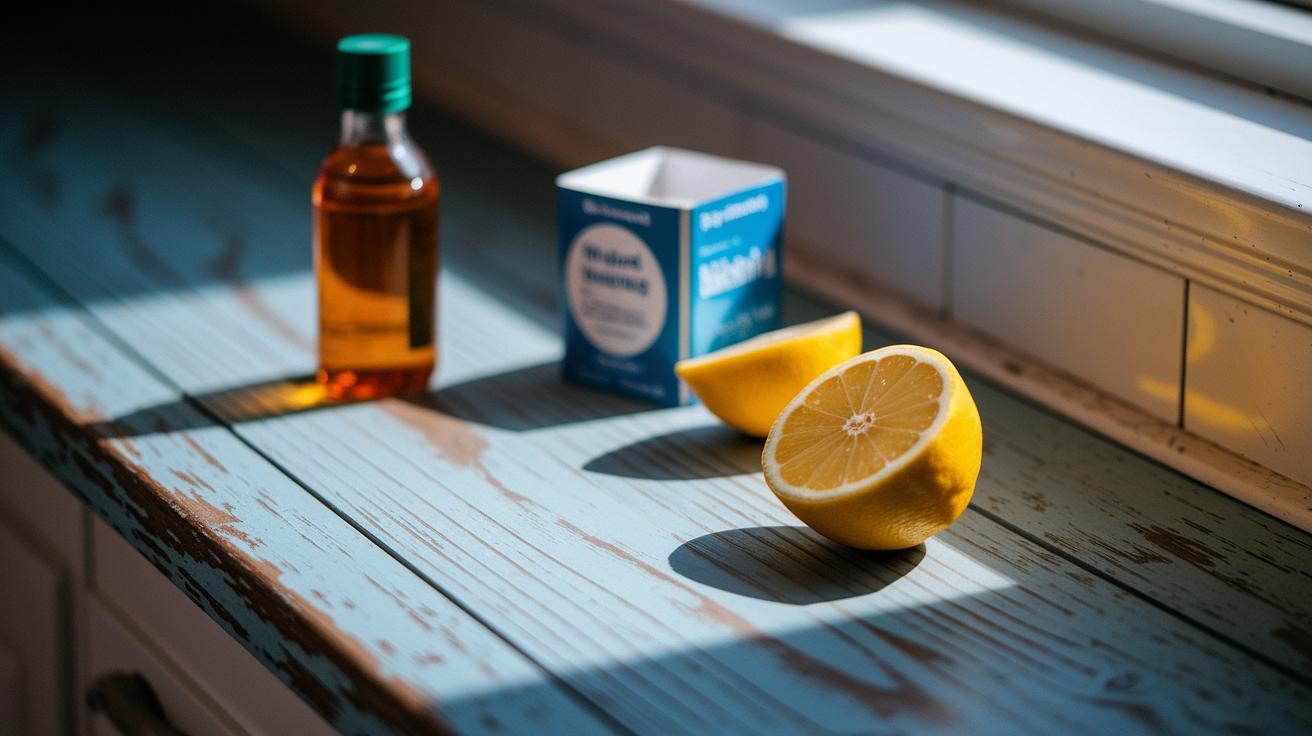
When cleaning your kitchen, try using natural ingredients that work wonders without any harsh chemicals. You can use things like vinegar, baking soda, lemon juice, and castile soap as gentle disinfectants safe for your food areas. For example, mix white vinegar with water in equal parts to freshen up your counters, much like adding a splash of marinade to brighten a meal.
A fun trick is making a baking soda paste by stirring a bit of water into your baking soda to banish stubborn stains. And if you're caring for wooden surfaces, a few drops of lemon oil not only bring back the shine but also leave behind a light, citrusy aroma that makes your kitchen feel inviting.
Always take a moment to read the labels on your cleaning products to know they’re biodegradable and safe around food. Bleach, for example, isn't the best on porous surfaces since it might break them down over time. And don’t forget to wear gloves when handling stronger solutions and keep your space airy by opening a window.
Using these eco-friendly methods is like a gentle recipe for a healthier home. Not only are you protecting your family’s health, but you’re also keeping your beloved kitchen sustainably clean.
Kitchen Cleaning and Maintenance Tips: Sparkling Success!

Give your kitchen its own little personality by making sure each item has a place to call home. For instance, try hanging your favorite skillet on a pegboard so it’s always ready for action, and label your containers while keeping utensils on dedicated trays to fight off clutter.
Keep your countertops clear by storing appliances you rarely use. Tuck that extra mixer away in a cabinet until you really need it, and you'll find that cleaning becomes quicker and a whole lot easier.
Make it a habit to check your kitchen regularly. Every month, give your cabinet hinges a little TLC with some lubricant so your doors open quietly during hectic mornings. Also, take a peek under the sink for leaks and swap out faucet O-rings once a year to avoid water damage.
Stop mold in its tracks by controlling humidity. Ensure your vents are working well, wipe under appliances often, and change your sponges every two weeks to keep bacteria and mold under control.
Final Words
In the action, we explored practical cleaning and upkeep ideas that transform your kitchen into a stress-free, efficient space. We uncovered strategies ranging from simplified countertops and daily wipe routines to eco-friendly solutions that keep your work area fresh.
Step-by-step, we also tackled appliance care, decluttering, and greasing removal. Use these kitchen cleaning and maintenance tips to boost your cooking vibe and enjoy a more inspiring, hassle-free kitchen experience.
FAQ
Q: What are the 7 steps in cleaning a kitchen?
A: The 7 steps in cleaning a kitchen include clearing clutter, wiping surfaces, organizing utensils, cleaning appliances, scrubbing sinks, mopping floors, and emptying trash. This systematic approach keeps your kitchen hygienic.
Q: What are the 5 steps in cleaning a kitchen step-by-step?
A: The 5 steps involved are clearing clutter, wiping surfaces, cleaning appliances, mopping floors, and disposing of garbage. This concise process makes maintaining a neat and healthy kitchen easier.
Q: How do you maintain a clean and organized kitchen?
A: Maintaining a clean and organized kitchen means practicing daily wipe-downs, carefully sorting utensils, and scheduling regular deep cleans. Adopting a “clean as you go” habit helps you stay on top of kitchen upkeep.
Q: How can I clean my kitchen quickly?
A: Cleaning a kitchen quickly involves instantly tackling spills, wiping surfaces as you cook, and using a checklist for essential tasks. This method saves time and ensures your space remains inviting.
Q: What benefit does a kitchen cleaning checklist PDF or poster offer?
A: A kitchen cleaning checklist PDF or poster provides a visual guide outlining daily and weekly tasks. It helps you remember key cleaning steps and keeps your kitchen consistently tidy and hygienic.
Q: In what order should I clean my kitchen?
A: You should start by decluttering and wiping countertops, then clean appliances, scrub sinks, mop floors, and finally dispose of trash. This order builds momentum and makes the cleaning process more efficient.