
Ever think French cooking is pure magic in every bite? It's not just the fresh ingredients; it's the smart cooking tricks that turn a simple dish into something special.
We're about to share some nifty methods that add a secret twist to old familiar recipes. Whether you're learning to create a smooth mix (you might have heard it called an "emulsion") or perfecting a careful knife cut, every tip helps bring a burst of flavor.
Dive in and explore how these little skills can turn cooking into a fun adventure. Trust me, a few clever moves can lead you to a world of flavors that feel as warm and inviting as chatting with a good friend.
Advanced Techniques to Master French Cooking
When it comes to French cooking, advanced techniques are like that secret ingredient that takes a dish from ordinary to extraordinary. They go further than the basics, letting you add a splash of creativity and depth that makes every bite memorable. Think of it as blending tradition with a little culinary adventure.
These refined methods are all about enjoying the process. For instance, maintaining the perfect temperature is key to creating silky emulsions, almost like a gentle velvet touch on your palate. And mastering your knife skills, from super-thin matchstick cuts (brunoise) to delicate sliceings (paysanne), brings an extra layer of finesse to your dish. Then, there’s the magic of multi-stage reductions that build rich, layered flavors, paired with aromatic combos like a classic mirepoix (a mix of onions, carrots, and celery) with an added sachet twist. And don’t forget: keeping an eye on timing and knowing how ingredients dance together helps you hit that perfect texture.
These techniques aren’t just steps on a list, they’re key moments on your culinary adventure. Imagine yourself experimenting with these strategies, much like Julia Child did when she elevated a simple shallot into a star ingredient. Each careful cut, every simmer, and that mindful blend of fresh herbs and spices teaches you a little more about passion, precision, and the joy of cooking.
Essential Culinary Methods of French Cuisine
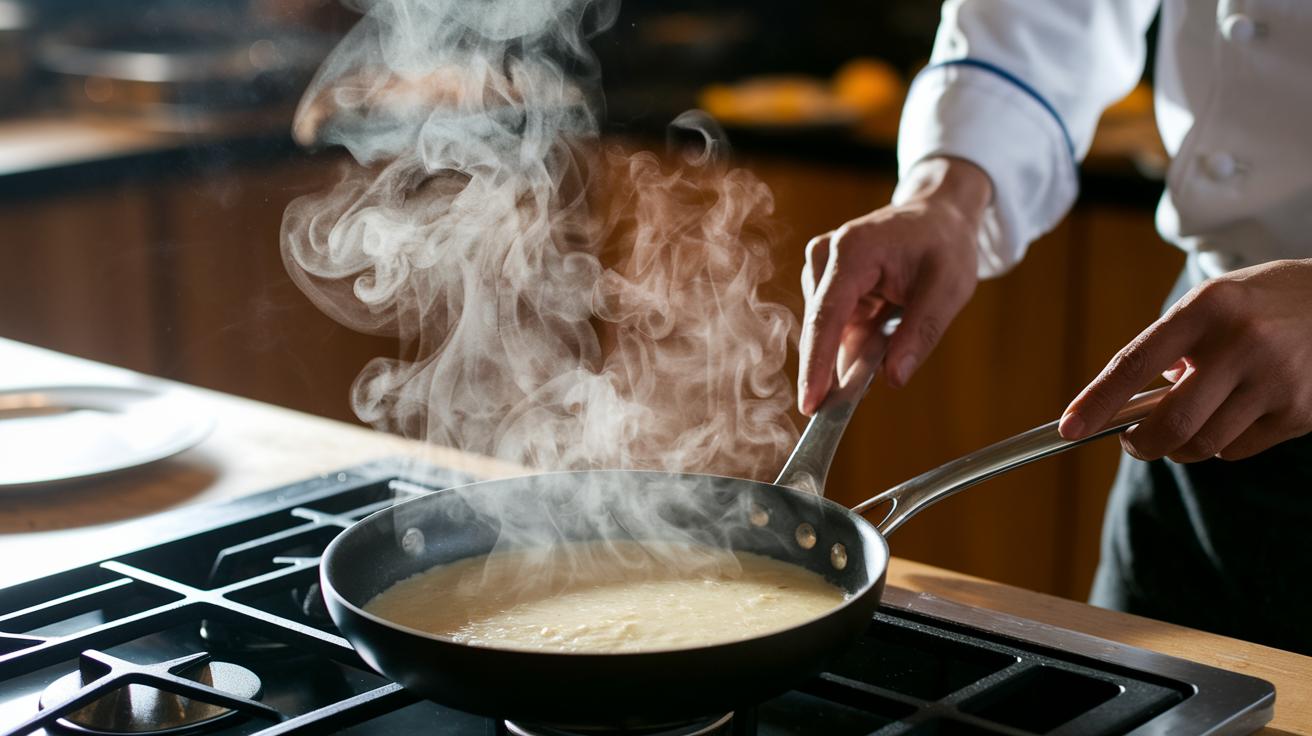
French cooking is all about turning simple ingredients into something truly memorable. With classic techniques like making the perfect roux (a mix of fat and flour) or nailing the right steaming process, you can slowly build layers of rich flavor. It’s like knowing that little secret that turns a regular chicken fricassée into a comforting masterpiece.
And here's the fun part, combining old tricks with modern twists. Whether you’re swapping out ingredients or adjusting your appliances, these methods help you manage heat just right and blend flavors effortlessly. Imagine the satisfying flip of a sauté pan; every step builds up a dish that's as visually appealing as it is tasty.
| Method | Technique Overview | Classic Application |
|---|---|---|
| Sautéing | High-heat browning in fat | Chicken Fricassée |
| Steaming | Vapor cooking for delicate items | Mussels Marinière |
| Simmering | Low-heat depth-building | Boeuf Bourguignon |
| Roux Construction | Fat–flour base for sauces | Béchamel & Espagnole |
These core methods are like your trusty toolkit before you dive into more adventurous recipes. With these basics in hand, you’ll find that every dish becomes an opportunity to explore and enjoy the art of French cooking.
Crafting Classic Sauces and Stocks with French Precision
Stocks, also known as fonds, are the heart of any great French meal. They start with a hearty mix of meat, bones, veggies, and herbs that slowly release their flavors as they simmer. Let everything cook gently for 3 to 4 hours so all those tastes blend together perfectly, and don’t forget to skim off any foam to keep it clean. Think of your stock as the blank canvas for your culinary art, a rich base that brings depth and balance to every sauce you create. For instance, a well-made chicken stock can transform a simple Velouté into a velvety cream sauce.
French cooking rests on five classic sauces: Béchamel, Velouté, Espagnole, Tomaté, and Hollandaise. Each one serves as a launchpad for countless tasty variations. Béchamel is a smooth, creamy sauce that lends itself wonderfully to a cheesy upgrade called Mornay. Velouté is light and delicate and often becomes the foundation for a richer sauce suprême. Espagnole has a strong, bold flavor that can develop into a silky Demi-glace, while Tomaté sets the stage for hearty, spiced stews. And then there’s Hollandaise, a lovely blend of egg yolks and butter that finishes vegetables and eggs with a touch of luxury.
Seasoning your sauces just right is the secret to perfection. A little splash of lemon or vinegar adds a bright, zesty contrast to richer sauces. Keeping the sauce well-emulsified is key to prevent it from separating. For blond sauces, mixing equal parts flour and fat into a roux gives you that smooth, perfect texture, making every spoonful burst with balanced flavor.
Expert Pastry Techniques for French Desserts

Pastry lamination is the soul behind French treats like croissants and pain au chocolat. Keeping your dough around 60°F helps it stay soft yet strong. It’s important to keep the butter cool so it won’t melt. Each fold is like sculpting layers of flavor, with every turn adding to a delicate structure that truly transforms the pastry.
Understanding how gluten forms makes a world of difference. Adjusting the water content and giving the dough a rest time helps build a stretchy, flavorful mix. A slow, controlled rise lets the dough soften and puff up, making each bite light and satisfying. It’s like stirring in a secret ingredient that brings out an exceptional texture in your pastry.
Making a perfect soufflé means paying attention to every little detail. Keeping the eggs at just the right temperature and folding them in gently keeps the mix airy. Preheat your oven to 375°F to ensure a steady rise without any collapse. Think of it as setting up a delicate dance, where every measured move helps your soufflé soar to perfection.
When it comes to quiche, precision is key. A custard made with two parts cream for every part egg gives you a rich, silky filling. Blind-baking the crust creates a crisp base that holds all the delicious flavors. Experimenting with versions like Lorraine or Florentine can spark some creative flair. Mastering these steps turns simple ingredients into desserts that feel like edible art.
Sourcing and Preparing Premium Ingredients for Authentic French Dishes
Choosing top-notch ingredients is like laying the foundation for your favorite French meal. Picture ripe, seasonal veggies, bursting with color and flavor, artisanal cheeses made the old-fashioned way, meats raised with care, and fresh herbs that fill your kitchen with a garden-fresh scent. Shopping at local farmers' markets or special shops connects you directly with those who care about time-honored food traditions. It’s a way to honor the true flavors of French cooking, where every ingredient has its own story, much like the journey of the little shallot from a rare find to a pantry essential.
Getting your ingredients ready is just as crucial. Start by trimming proteins to get rid of any unwanted bits, and consider a quick brine to keep moisture locked in. Simple techniques like letting ingredients soak (maceration) or making quick pickles give your dish a bright, tangy boost. And if you're looking to save a few pennies, why not swap out shallots for pearl onions? Every step adds texture and taste, making your meal feel genuine and full of life, just like traditional French recipes.
Mastering Knife Skills and Essential Kitchen Tools for French Cooking

French cooking is all about neat, precise cuts. Imagine slicing leafy greens into thin ribbons (that’s chiffonade), cutting vegetables into tiny dice (brunoise), or turning them into matchstick shapes (julienne). It all starts with a knife that sits comfortably in your hand, a well-balanced blade made from high-carbon stainless steel can make all the difference between a rough chop and a slice that looks straight out of a fancy bistro.
Good cookware matters, too. A heavy-bottomed sauté pan keeps the heat even, a copper saucepan lets you tweak the temperature quickly for delicate sauces, and a fine-mesh chinois helps you get silky-smooth purees or stocks. Investing in the right tools turns everyday cooking into a joyful, controlled process.
Small appliances like a stand mixer and an immersion blender add extra flair to your kitchen work. They help you mix dough, batter, or purees to just the right texture without all the extra fuss. And remember, handling your blades with care, storing them safely and keeping your workspace tidy, protects both your fingers and your culinary creations.
Artful Plating and Presentation in French Fine Dining
French fine dining is like painting a story on a plate. Start with open space so the dish can breathe and let each flavor shine. Picture ingredients stacked like a small tower that makes your eyes wander upward. Bright color pops and a gentle drizzle of sauce, like a painter’s soft brushstroke, add style and charm. Even a simple zigzag of a rich sauce brings both flair and finesse.
A smart garnish can tie everything together. Try finishing touches like edible flowers, a dash of herb oil (a burst of fresh flavor), or a sprinkle of microgreens that add texture and brightness. Choose plateware that enhances your food instead of stealing the show. A well-chosen plate highlights each part of your dish and creates a pleasing balance that makes the dining experience truly special.
Historical Evolution and Cultural Legacy of French Culinary Mastery
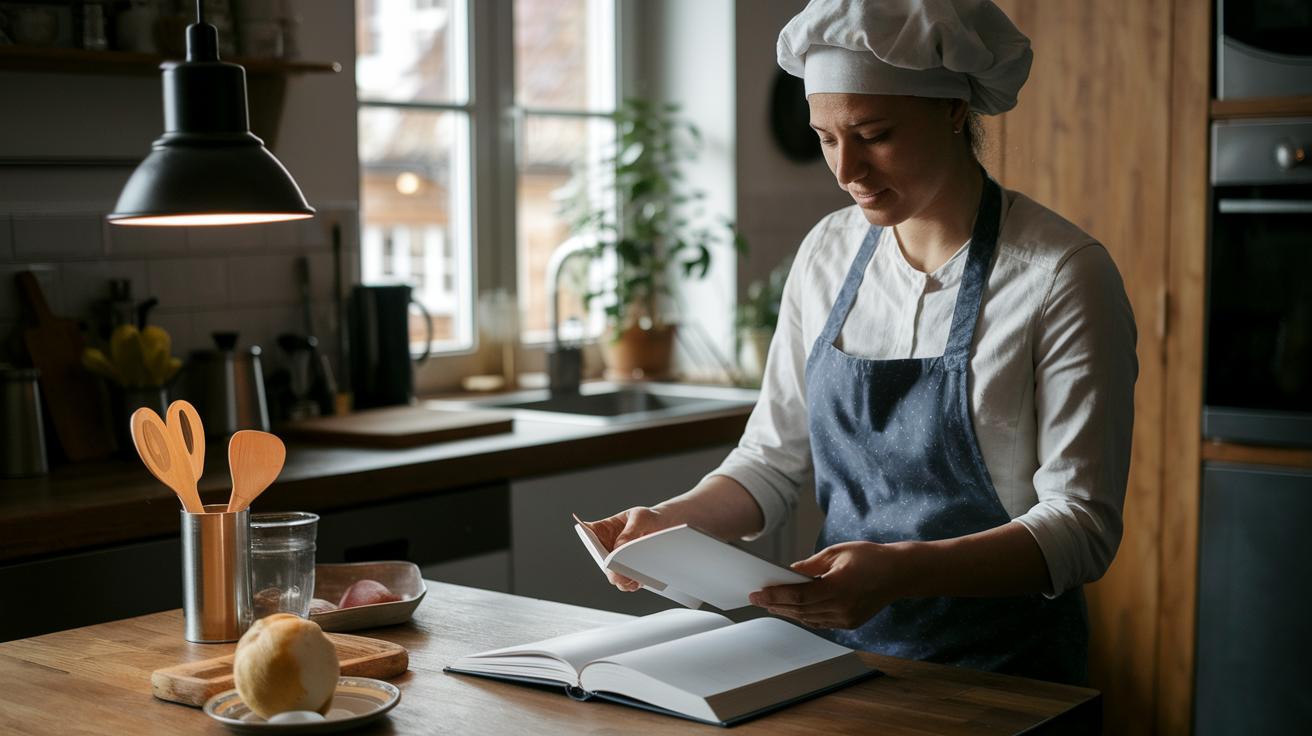
Back in 1961, Julia Child’s Mastering the Art of French Cooking made a huge splash. It taught everyday cooks fancy techniques that were once just for professional kitchens. Julia’s warm, enthusiastic style when explaining sauces, stocks, and precise seasonings got families excited to try gourmet French recipes. It was like lighting a spark that set off a home-cooking revolution across America.
Over the years, classic French cookbooks blended tradition with fresh ideas. These milestone books not only shared the rich history of French cooking but also refined what great recipes look like in both home kitchens and restaurants. Chefs and food lovers alike turned these texts into trusted guides to perfect their craft while preserving authentic French methods.
Translations, TV shows, and reinterpretations by well-known chefs soon brought these timeless recipes to kitchens around the world. Classic French dishes jumped off the pages and onto our screens, making their mastery easy to enjoy at home. Think of seeing your favorite meal prepared on a cooking show, sparking new passion and creativity in kitchens everywhere.
Today, digital archives and creative cooking projects like Finding Yourself in the Kitchen keep vintage recipes alive. They honor the art of cooking while embracing modern flair, bridging the cherished past of French cuisine with today’s lively tastes.
Final Words
In the action, we explored advanced techniques that transform everyday cooking into a gourmet experience. We dived into precise knife cuts, detailed stock and sauce methods, artistic dessert crafting, and even the importance of selecting premium ingredients. Each section blends tradition with creative innovation, making even the most challenging steps approachable.
This journey inspires endless experimentation in your kitchen, guiding you closer to mastering the art of french cooking. Enjoy every step, and may your culinary adventures bring delightful surprises and delicious results.
FAQ
How can I access the Art of French Cooking PDF and free download version?
The Mastering the Art of French Cooking PDF offers a digital copy of Julia Child’s classic. Free downloads aren’t officially provided, so it’s best to purchase or borrow authorized editions.
What is the significance of the original 1961 edition or first edition of Mastering the Art of French Cooking?
The original 1961 edition introduced American home cooks to authentic French techniques, transforming culinary practices with clear guidance and timeless recipes that have influenced generations.
What does Mastering the Art of French Cooking encompass as a cookbook?
The cookbook serves as a comprehensive guide that breaks down intricate French recipes and techniques into accessible steps, inspiring cooks to explore and master authentic French cuisine.
What are the differences between Volume 1 and Volume 2 of Mastering the Art of French Cooking?
Volume 1 focuses on foundational techniques and basic recipes, while Volume 2 delves into more advanced methods, with digital PDF formats offering modern accessibility to these refined practices.
What does the summary of Mastering the Art of French Cooking cover?
The summary highlights essential French culinary techniques, clear recipe instructions, and thoughtful insights that simplify complex procedures, making sophisticated cooking approachable for home chefs.
Is Mastering the Art of French Cooking good for beginners?
The cookbook is beginner-friendly as it breaks down French cooking techniques into step-by-step instructions, allowing newcomers to gradually build confidence and skills in authentic French cuisine.
What are the three secrets of French cooking?
The three secrets emphasize precision in technique, balance in flavors, and the art of layering ingredients, which together create the distinctive, refined taste of classic French dishes.
What was the significance of Julia’s book Mastering the Art of French Cooking?
Julia Child’s book made French cuisine accessible, bridging cultural divides and inviting home cooks to experiment with complex methods, thus permanently shifting American culinary traditions.
How many copies of Mastering the Art of French Cooking exist?
The cookbook has been reprinted in numerous editions over decades, making it a widely available and cherished resource among both professional chefs and home cooks.
What is The Joy of Cooking?
The Joy of Cooking is a longstanding, comprehensive cookbook known for its practical recipes and kitchen tips, offering broad culinary guidance that has become a staple in many households.
What is The French Chef Cookbook?
The French Chef Cookbook is tied to a popular television series that introduced French cooking methods to American audiences in a fun, engaging way, sparking interest in home French cooking.
What is My Life in France?
My Life in France is a memoir that blends personal experiences with culinary adventures, showcasing the transformative power of French cuisine and its influence on the author’s life.
What is Salt Fat Acid Heat?
Salt Fat Acid Heat distills essential elements of cooking into simple principles that help balance flavors, offering a modern and approachable guide to creating delicious, well-rounded dishes.
What is The Way to Cook?
The Way to Cook is a practical guide that emphasizes strong fundamentals and step-by-step instructions to empower home cooks in creating balanced, flavorful meals with ease.
What is Larousse Gastronomique?
Larousse Gastronomique is a renowned culinary encyclopedia that offers detailed insights into classic French cooking techniques, ingredients, and recipes, serving as a treasured resource for culinary enthusiasts.