
Ever been caught in a last-minute kitchen rush? A trusty meal prep checklist might just be your secret trick for stress-free cooking.
Imagine planning your week like setting off on a mini adventure, where every ingredient gets its own moment to shine. When you plan your meals ahead of time, you not only save time and money but also keep your diet on track.
Set aside a day just for meal planning, and watch the chaos of rushed cooking turn into a pleasant, relaxed routine. Enjoy the freedom of stress-free meals all week long.
Meal Prep Checklist: Enjoy Stress-Free Cooking

Meal prepping is all about getting your food ready for three to seven days ahead. It saves you time and cuts down on grocery costs. Plus, it helps you use up ingredients wisely and stick to your diet or budget goals. Pick a day each week, like Sunday, to set up your meals. Think of it like a date with yourself, where you decide exactly what you'll enjoy all week, reducing those last-minute rushes.
Start with something simple, like packing leftovers for lunch the next day. Once you feel comfortable, try planning full recipes for the week. Meal prep can be a quick 30-minute task or a fun, longer cooking session if you want to try something new. Here’s a step-by-step guide to get you started:
- Choose your meal prep day and mark it on your calendar.
- List the meals for the week, mixing ingredients to avoid waste.
- Use a checklist to ensure you have every ingredient. A handy tip: try using a simple macro tracking app to balance your protein, carbs, and fats.
- Slowly add a new recipe each week to keep things exciting.
- Make use of online recipe organizers and digital shopping lists to simplify your process.
When you write down all the things you need for your grocery run, planning your meals becomes even easier. This organized approach not only makes your kitchen more inviting but also turns cooking into a delightful, stress-free experience.
Grocery Shopping Checklist for Efficient Meal Prep

A well-planned grocery list is like a secret recipe for a smooth meal prep. It helps you dodge those last-minute runs to the store and cuts down on takeout temptations. Think of it as your trusty roadmap that makes sure you always have the right ingredients on hand, just like when planning a cozy office lunch. This organized approach not only saves you time but also prevents unexpected waste in the kitchen.
Plan your shopping trip by sorting your list into clear sections. Here’s a simple breakdown:
- Produce: Fresh veggies and fruits you need every day.
- Dairy & Eggs: Milk, cheese, and eggs to brighten up your breakfast and snacks.
- Proteins: Lean meats, tofu, and beans to round out your meals.
- Pantry Staples: Grains, canned goods, and spices ready for multiple recipes.
- Snacks: Quick, healthy bites for a little energy boost between meals.
Try using an automated shopping list tool that matches your weekly menu. It makes it super easy to update your list and keeps your meal planning on track every day.
For more lunch-focused ideas, check out lunch meal prep ideas.
Meal Prep Day Setup: Tools and Workflow
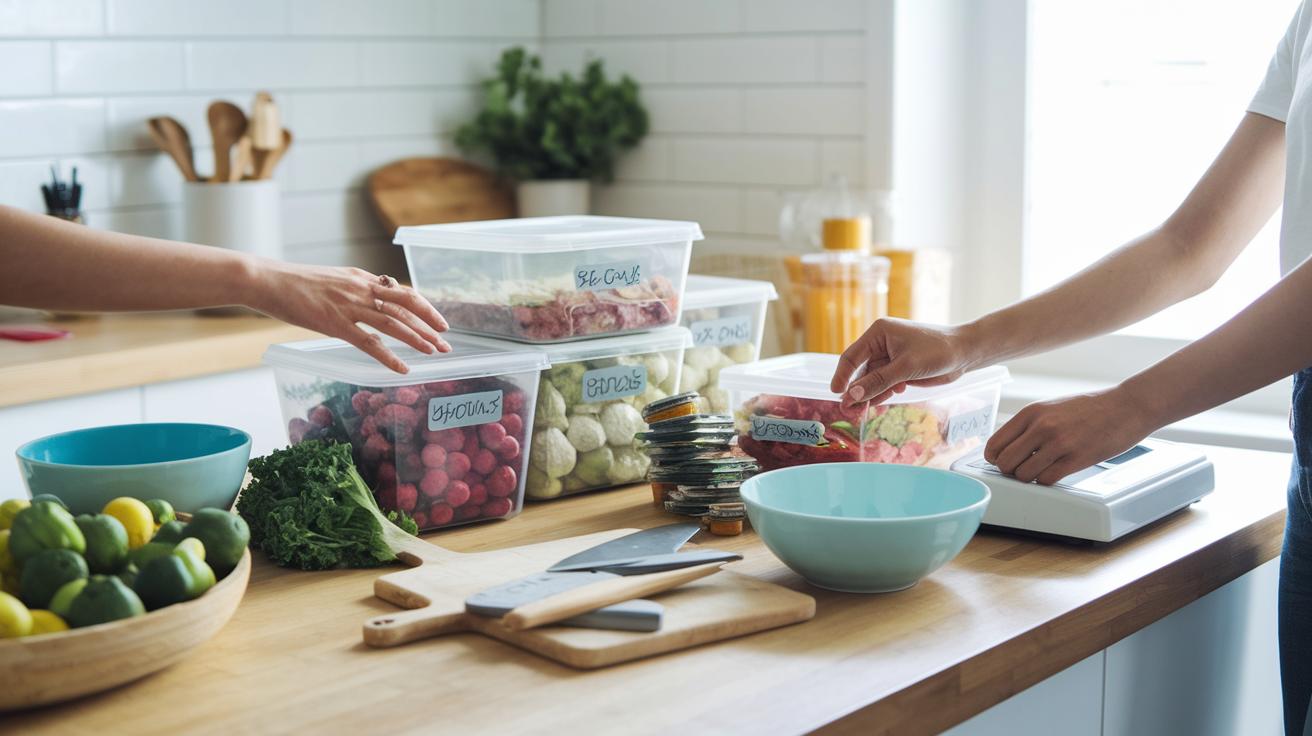
Getting your meal prep day under control can turn a stressful task into a breezy, even fun, cooking session. Whether you have just 30 minutes for a simple fix or spend 2 to 3 hours working through a big menu, a smooth workflow makes all the difference. Start by cooking those slow-cooking basics like chicken, beans, root veggies, and legumes, they’ll be the hearty base for many meals later in the week. Keep your counter clear and set up specific zones for chopping, cooking, and packing. It might seem small, but labeling your containers before you begin can really save you time later!
Essential Meal Prep Tools
- Kitchen scale
- Measuring cups
- Silicone spatulas
- Meal prep containers (various sizes)
- Sharp chef’s knife
- Cutting boards
- Sheet pans
- Digital timer
Organizing your space and tools sets the stage for a more relaxed cooking experience. Before you fire up the stove, gather your fresh ingredients and sort them by recipe. This little step helps keep you organized and minimizes confusion while you cook. Once everything’s ready, start arranging your workspace with these handy tips.
Optimal Workspace Setup
- Clear and sanitize counters
- Group ingredients by recipe
- Label containers before filling
- Set up cooking zones (stovetop vs. oven)
- Keep a trash bowl handy
- Position a cooling rack
Cooking and Portioning Checklist for Meal Prep

Time to dive into a cook-and-pack routine that keeps your meals fresh and balanced. Start by cooking your main ingredients in bulk, think proteins, grains, and veggies, so you save loads of time later. Remember, the secret is a simple mix: about half your plate should be veggies, while proteins and carbohydrates share the remaining half equally. For instance, roast bell peppers, carrots, and zucchini, add some chicken or tofu, and serve with a side of quinoa for a complete meal.
After everything's cooked, let it cool a bit before diving into portioning. This little pause helps lock in all those tasty flavors while ensuring each bite is just right. Choosing the right container sizes for proteins, grains, and veggies is key to keeping your servings spot on. If you're feeding a big group, bulk quantities work great, but if it’s just one or two people, it’s best to scale down so nothing goes to waste.
Don’t forget to label your containers with details like the dish name and how to reheat (say, "Oven at 350°F for 10–12 minutes" or "Microwave for 2–3 minutes"). This adds a handy reminder that every meal is a balanced plate ready to brighten up your busy days.
| Ingredient Category | Container Size | Portions per Container |
|---|---|---|
| Proteins | 2-cup / 16-oz | 2–3 servings |
| Grains | 1-cup / 8-oz | 3–4 servings |
| Vegetables | 1.5-cup / 12-oz | 2–3 servings |
| Snacks | 0.5-cup / 4-oz | 1–2 servings |
Storage and Reheating Best Practices for Meal Prep

Keep your meals tasting fresh by storing them properly. You can keep them in the fridge for up to 4 days or freeze them for up to 3 months. Always label your containers with the prep date and clear instructions like "Microwave 2-3 minutes" or "Oven at 350°F for 10-12 minutes" so your dish warms up nicely every time.
Here’s a little secret: over time, meals might lose a bit of moisture and flavor. To brighten things up, add fresh toppings, like a sprinkle of chopped herbs or a squeeze of citrus, right before serving. It’s an easy trick that revives the dish and brings a burst of freshness.
Quick-prep items, such as boiled eggs or roasted veggies, can really save you time on busy evenings. They make it simple to throw together a satisfying dinner when you’re in a rush. Plus, taking an extra moment to label and organize your meals keeps your fridge tidy and gives you confidence about how to reheat them for the best flavor.
If you’re looking to extend storage benefits, check out our tips on freezer meal prep. These ideas help maintain the taste and texture of your dishes, ensuring every bite feels as good as the first.
Bonus: Time-Saving Meal Prep Hacks and Customizable Templates

Cut your kitchen time with a few smart shortcuts. Try grabbing a rotisserie chicken or using pre-washed greens, and you could slice your prep time by almost a third. Picture this: while you chop up crunchy, fresh veggies, you already have a ready-made protein waiting for you. It’s a simple trick that lets you enjoy the best part, assembling your meal without the stress.
One solid hack? Stick to a basic recipe formula: one protein, two vegetables, and one carb per container. This little method not only balances your plate perfectly, but it also makes your shopping list and cooking much easier.
Then, consider downloading a weekly checklist template along with a fillable recipe grid that covers breakfast, lunch, dinner, and snacks. These handy templates help you plan every meal, so you only pick up what you really need, saving both money and time. Plus, you can easily tweak your menu on the fly, whether it’s a quick lunch or a full day of meals, these tools have you covered.
For even more help, check out a 14-day free trial of a popular meal planning app. It offers automated menus and shopping lists to keep everything running smoother than ever.
Final Words
In the action, this guide walked through meal prep planning from creating a detailed weekly blueprint to an efficient grocery shopping routine. We broke down the prep day setup, essential tools, and smart kitchen workflows that empower effortless organization. The recipe outlined strategies for cooking, portioning, and preserving meals, all rounded out with bonus time-saving hacks. With a trusty meal prep checklist in hand, tackling your weekly menu becomes a creative and stress-free experience. Enjoy the journey and savor every delicious moment.
FAQ
Q: What does a meal prep checklist PDF include for weight loss and weekly planning?
A: A meal prep checklist PDF outlines step-by-step guidance, including portions, recipes, and a grocery list for weight loss or a full week of meals. It streamlines planning, saving time and money.
Q: How does a 7-day family meal plan work and what are some meal planning ideas?
A: A 7-day family meal plan organizes daily meals and snacks for everyone. It provides diverse, balanced ideas that simplify shopping and cooking while keeping meals fun and nutritious.
Q: What is the 5-4-3-2-1 rule for shopping?
A: The 5-4-3-2-1 rule for shopping guides you to select a mix of ingredients by numbers, ensuring balanced variety in your meals. It simplifies decision-making and helps maintain a healthy, organized grocery list.
Q: What is the 40/30/30 meal plan?
A: The 40/30/30 meal plan means that meals are divided into 40% carbohydrates, 30% proteins, and 30% fats. This ratio creates a balanced balance to support energy levels and overall wellness.
Q: What are the main rules when planning meals?
A: The main rules in meal planning include designating a prep day, coordinating ingredients, balancing macronutrients, portioning meals properly, and using checklists to reduce waste and stress during busy weeks.
Q: How can I eat healthily on $25 a week?
A: Eating healthily on $25 a week involves selecting budget-friendly staples, shopping sales, planning simple recipes, and batch cooking. These strategies reduce waste and ensure you enjoy balanced, nutritious meals.
Q: What do healthy meal prep plans and meal prep companies with nutritionist services offer?
A: Healthy meal prep plans feature balanced dishes with lean proteins, whole grains, and fresh vegetables. Some meal prep companies even partner with nutritionists to tailor meals to your dietary goals and needs.
Q: How do I meal plan to lose weight effectively?
A: Effective weight loss meal planning focuses on portion control, balanced macronutrients, and low-calorie recipes. Using a detailed checklist and coordinated grocery list, you can simplify your planning and reach your goals.
Q: What tips are there for beginners on how to meal prep for the week?
A: Beginners are encouraged to start small by prepping simple recipes. Pick one day a week for planning, use a checklist, and gradually expand your menu to build confidence and efficiency in the kitchen.
Q: What is a nutritionist meal prep service?
A: A nutritionist meal prep service offers tailored meal plans designed by experts. They create balanced, portion-controlled dishes that meet individual dietary needs while saving time and effort during busy days.