
Have you ever noticed that your homemade fruit jam sometimes just doesn't thicken the way you expect? The secret might be pectin, a natural fiber found in fruits like apples and citrus. It works like magic, giving your jam, sauces, and dressings that perfect, chunky texture.
When you add a bit of pectin, you not only lock in the bright flavors but also turn a watery mix into something smooth and delightful. Whether you're making a cozy dessert at home or perfecting a busy restaurant recipe, this natural ingredient can really elevate your dish.
Understanding Pectin as an Ingredient
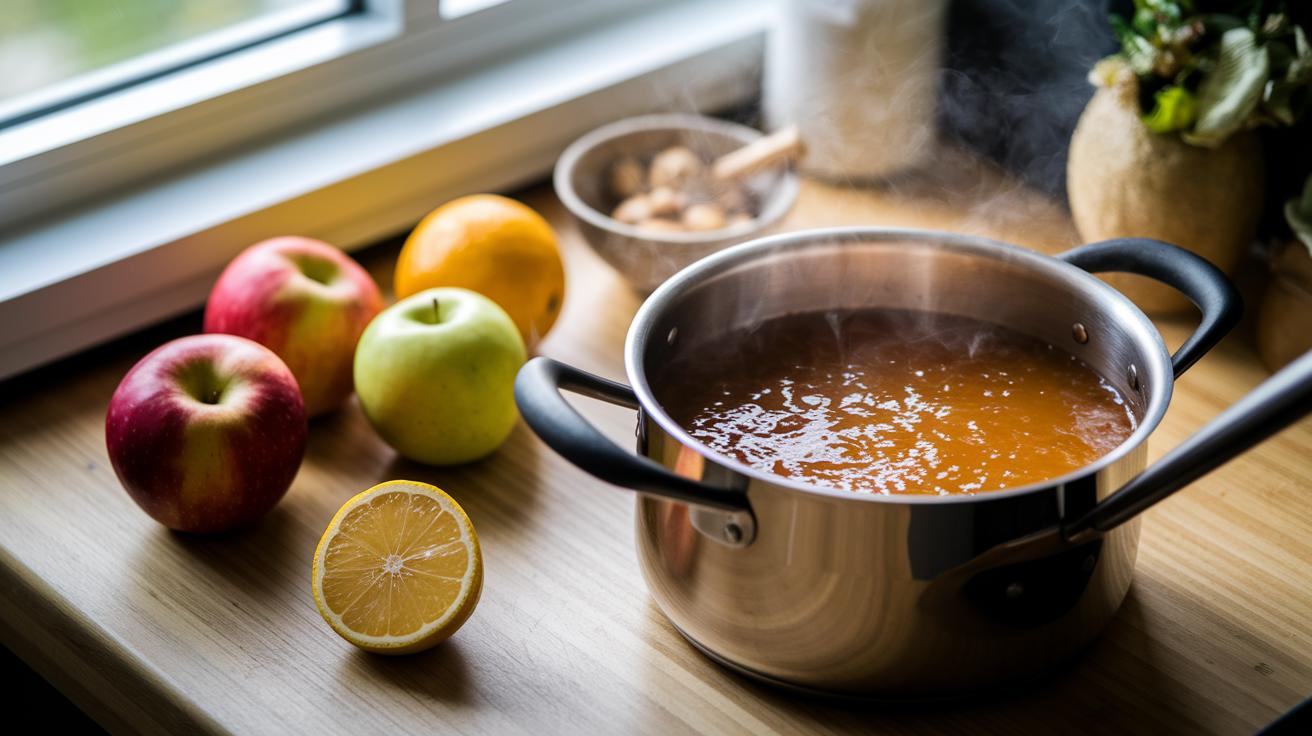
Pectin is a natural fiber found in fruits and veggies. It comes straight from the cell walls and gives a dish that pleasing, thick texture. Most often, it’s pulled from apples and citrus fruits. Imagine stirring it into a home-cooked apple jam and watching as a runny mix turns into a smooth, well-set treat.
It works as:
- A gelling agent in jams and jellies
- A thickening agent in sauces and fillings
- A stabilizer in beverages and dressings
- A texture enhancer in baked goods
- A natural preservative in low-sugar foods
- A vegan substitute for gelatin
Whether you’re whipping up something in your cozy kitchen or bustling in a busy restaurant, pectin is a star ingredient. When you heat it with sugar and a splash of acid (like lemon juice), it forms a delicate network that locks in flavor at around 220°F. This clever trick transforms fruit mixtures into irresistible spreads and helps dressings, sauces, and baked goods keep their perfect texture. Chefs love this fruit-based fiber for its natural way of preserving dishes while delivering a delightful look and taste.
Chemical and Structural Properties of Pectin

Pectin is basically a long chain of sugar-like molecules made up of galacturonic acid. These acid units often get tagged with little methyl groups (a bit like adding a dash of seasoning), which we call methyl-esterification. This simple twist not only helps pectin dissolve in water but also makes it gel up nicely. Picture each methyl group as a tiny switch that, when flipped at just the right time, builds the firm structure behind your favorite fruit jam.
When you shop for pectin, you'll typically find two types: high-methoxyl (HM) and low-methoxyl (LM). HM pectin needs a bit of heat and some sugar to set perfectly, making it ideal for traditional jams and jellies. On the other hand, LM pectin works its magic with a little calcium, no extra sugar or high heat required. Think of HM pectin as needing the bustling warmth of a kitchen to come alive, while LM pectin jumps into action with a precise calcium touch.
The molecular weight of pectin usually falls between 50 and 150 kDa, which is a key factor in its texture and strength. In simple terms, if there are more methyl groups on each molecule (a higher degree of esterification), you'll get a firmer, more resilient gel that typically sets around 220°F. If there are fewer methyl groups, the gel will be softer and require different conditions to set just right. This balance between size and the level of esterification ensures that every spoonful of jam or jelly has that perfect, satisfying bite.
Sources and Extraction Techniques for Pectin
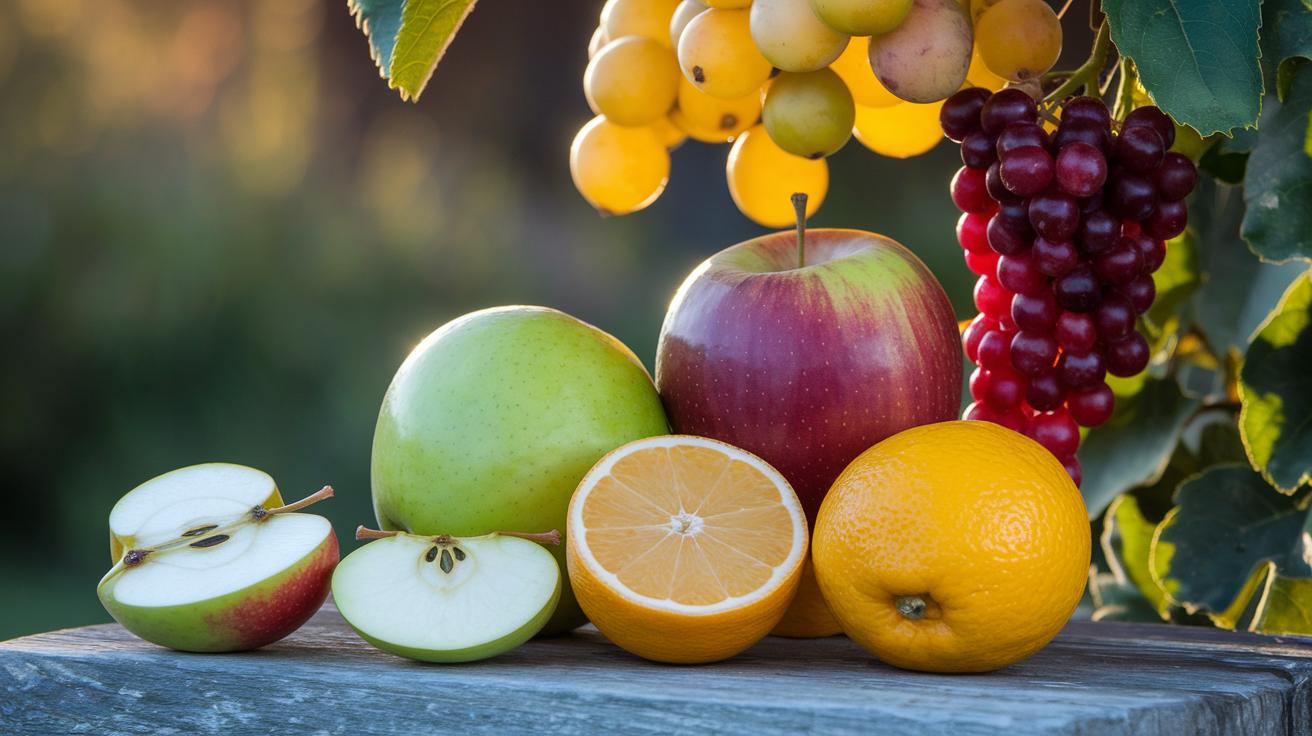
If you're diving into the world of natural pectin, picture your backyard fruit patch where apples and citrus are the stars. Apple peels and cores pack a punch by offering a high yield, while citrus rinds bring a tangy, lively flavor that really shines. Other fruits like quince, grapes, and cranberries lend a hand too, though apples and citrus consistently steal the show with their reliable quality.
| Source Material | Extraction Process | Time Required |
|---|---|---|
| Apple peels & cores | Water extraction, then boil for 60 minutes and soak for 23 hours | 24 hours total |
| Citrus rinds | Acid extraction, followed by filtering and drying | Approximately 4 hours |
New ideas in pectin extraction are all about keeping things natural. Modern methods use enzyme-assisted techniques (enzymes are natural helpers that break down cell walls) to gently coax those pectin molecules out of the fruits. This process not only boosts the yield but also preserves that genuine flavor, think of the fresh, zingy burst of citrus or the comforting sweetness of apple. And since these methods avoid GMOs, you're left with an authentic, clean ingredient perfect for your homemade jams. Whether you prefer a liquid or powdered form, each is crafted with care, ensuring that science and nature work together to help you create perfectly set, flavorful preserves.
Culinary Applications of Pectin in Food Preparation
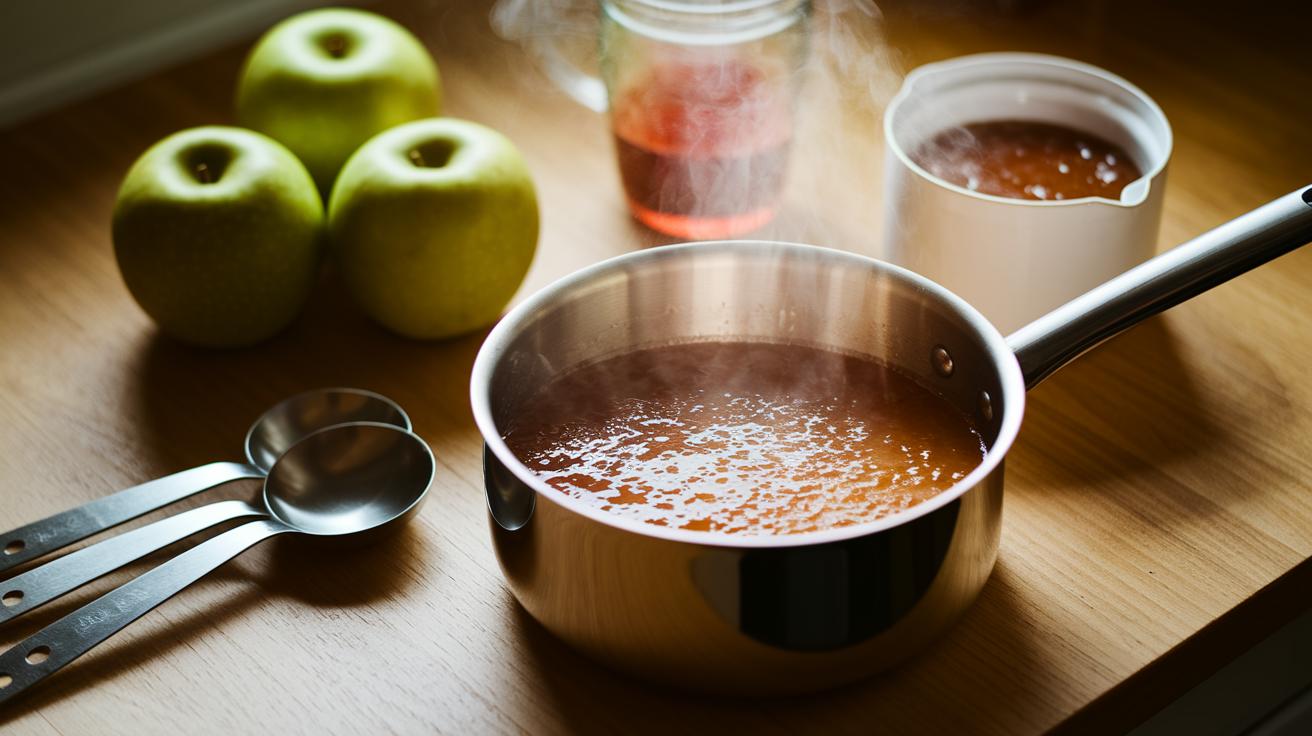
Pectin comes to us in two easy forms: liquid and powdered. Liquid pectin is added after you boil the fruit mix, while powdered pectin is stirred into the fruit juice before heating. Then you add sugar at the end to help keep it from gelling too soon. A handy tip: 2 tablespoons of liquid pectin work like about 4 teaspoons of powdered pectin, perfect for keeping your recipes balanced and textures just right.
When you’re whipping up jams, jellies, or marmalades, timing is key. Start with your favorite fruit; for example, green apples naturally pack more pectin, while fruits like strawberries need a little extra help to set. For powdered pectin, mix it into your fruit juice early and add the sugar toward the end. This method lets the fruit’s natural acid and a steady heat join forces to create a smooth, steady gel. If you’re using liquid pectin, add it once your mixture boils and then pull it off the heat quickly to lock in that perfect consistency.
Pectin isn’t just for traditional preserves, either. It’s a superstar for other treats, like homemade gummy candies that have that tender yet firm bite. Many home cooks are even mixing pectin into dairy-free fillings for vegan desserts, giving them the creamy texture you’d expect from more traditional recipes. And if you’re looking to make low-sugar preserves, pectin’s reliable gelling helps you enjoy healthier fruity spreads without missing that satisfying structure. It’s all about letting your creativity shine and making every dish a delightful experience.
Industrial and Commercial Uses of Pectin

Pectin is like the secret ingredient in the great kitchens of large food production. In busy commercial bakeries, it makes sure fillings stay smooth and even, so every bite of pastry feels just right. And when it comes to beverages, pectin lends a helping hand by keeping drinks clear and free of unwanted sediment, much like how a well-balanced sauce maintains its delicious texture.
Rheological testing is the behind-the-scenes taste test for pectin. Food processors mix and measure how pectin thickens mixtures, kind of like checking if a hearty stew has the perfect consistency. Temperature control is key too, as pectin typically sets at about 220°F, which means too much heat can weaken its natural gel and take away that attractive look and feel.
Smart process optimization is like fine-tuning your favorite recipe for extra savings. High-yield extraction methods help cut down waste while giving you more pectin, and manufacturers set strict quality tests to ensure each batch is spot on. This fine-tuning not only lowers production costs but also helps pass those savings on to consumers, all while keeping the delightful texture and stability in a wide range of food products.
Pectin Ingredient Sparks Flavorful Culinary Wonders
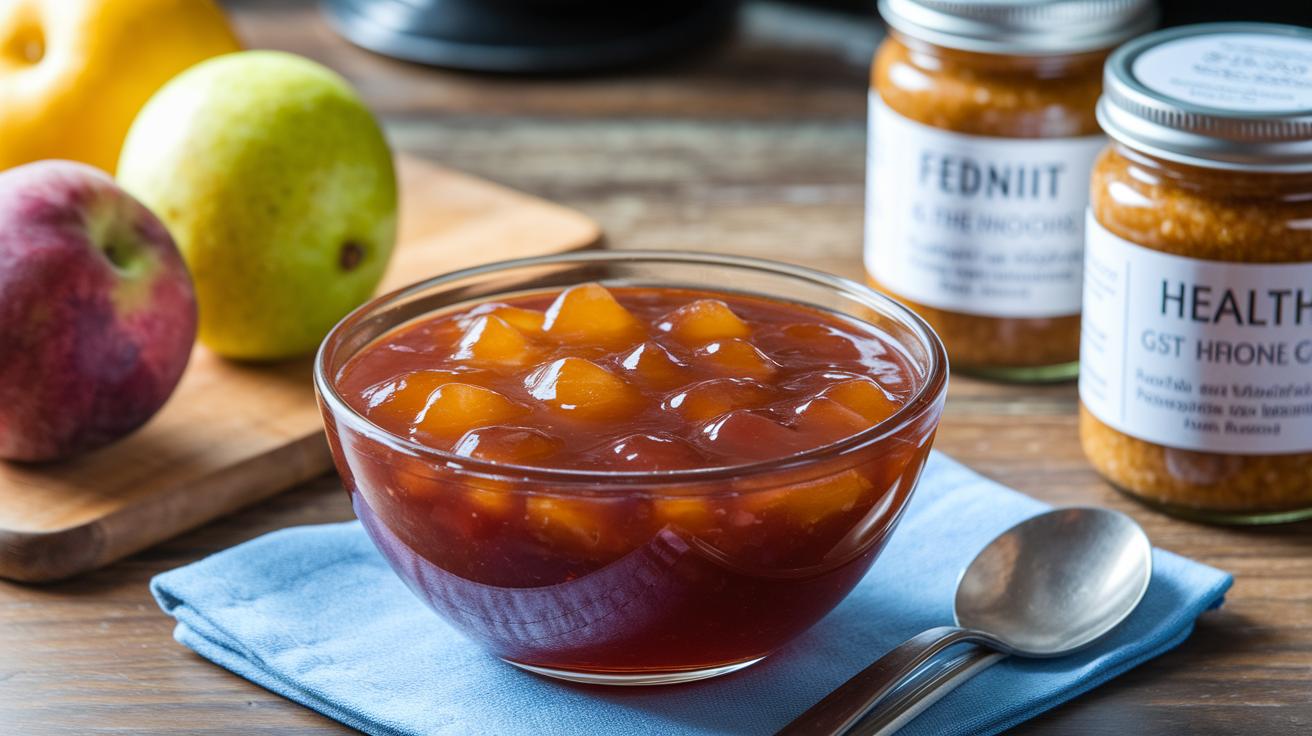
Pectin is a natural, soluble fiber that does wonders for your digestion. It forms a soft, jelly-like texture in your gut, slowing food absorption so you feel full longer while keeping your energy steady. Think of it like that special twist in your favorite dish, a gentle simmer on a slow-cooked fruit compote that not only teases your taste buds but also helps keep your blood sugar balanced.
Not only does it pack a fiber punch, but pectin also acts like a helper for your gut, nourishing the good bacteria and supporting overall digestive health. Many folks add it to their daily routine through supplements, usually between 1 and 3 grams per serving. It’s like sprinkling just a pinch of spice that boosts your metabolism. In short, pectin stands out as both a handy food ingredient and a trusted dietary supplement.
Using and Substituting Pectin: Guidelines and Safety
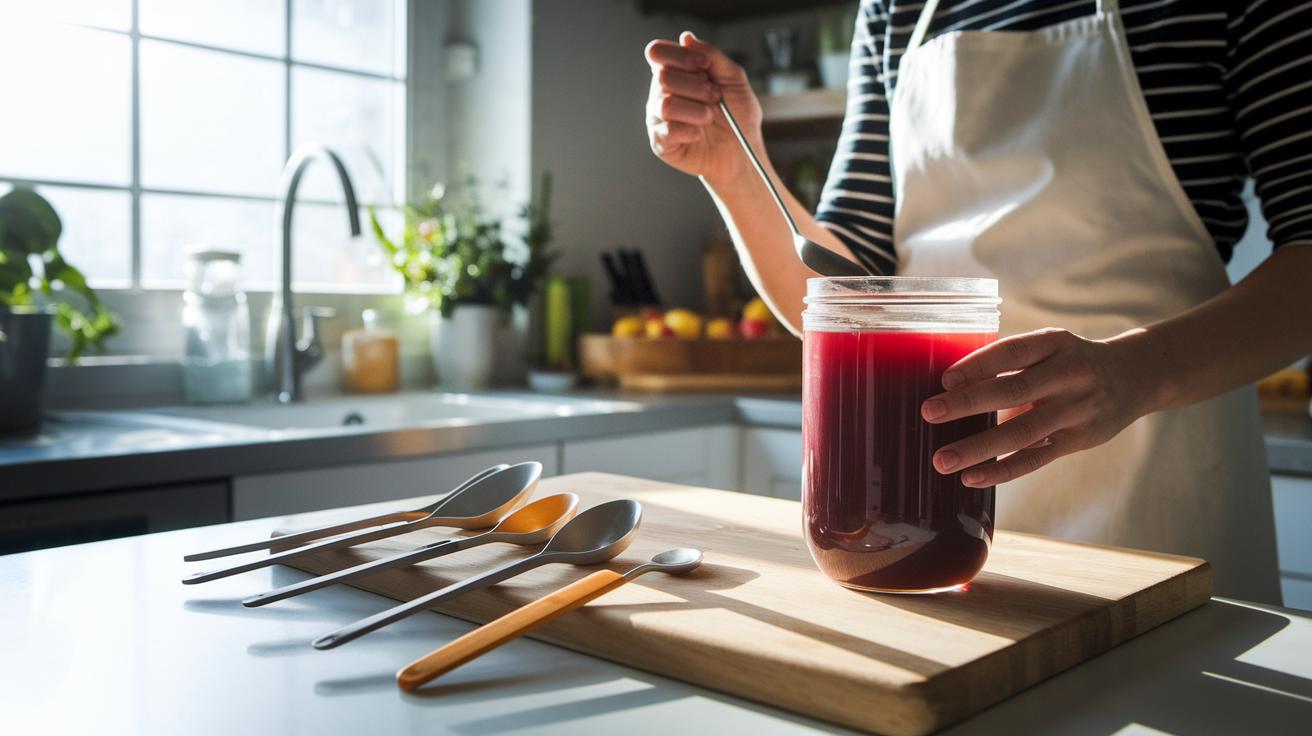
When you're cooking with pectin, knowing how to swap one type for the other can really save the day. For example, if your recipe calls for liquid pectin, remember that 2 tablespoons of it work the same as about 4 teaspoons of powdered pectin. This tip is super handy whether you're tweaking a favorite jam or planning a supplement dose. Liquid pectin usually joins the party after boiling while powdered pectin likes to mix with fruit juice right at the start. Keeping track of when to add each one makes sure your spreads or sauces come out just right.
Pectin in our food products is marked with E 440, which tells you it has met strict food-grade standards. Seeing this label means the pectin has been tested for things like viscosity (how thick it is) and its setting ability. In other words, it’s all about that reliable texture you love in your homemade preserves and sauces. When you spot E 440 on a package, you can feel good knowing it has passed quality checks trusted by both home cooks and professionals.
Although pectin is a trusty kitchen helper, too much can sometimes cause a bit of tummy trouble. That’s why it’s important to stick to the recommended amounts, whether you’re tossing it into your recipes or using it as a supplement. If you need to make a substitution, consider using a 1:1 ratio when swapping pectin with gelatin in your recipes. Just a heads up, agar will give you a firmer set, and starch might need a larger amount to thicken things up just right. These simple swaps and tips help you keep your kitchen experiments safe and delicious.
Quality Control, Standards, and Future Trends in the Pectin Market

Imagine a busy kitchen where every ingredient gets checked with care. That’s how global pectin supply chains work today. Suppliers stick to strict quality rules, and manufacturers test each batch by looking at things like thickness (viscosity), chemical makeup (degree of esterification), and overall purity. Certification is a big part too, especially for organic pectin where only approved solvents are used and every step is clearly tracked. Most pectin comes from sunny citrus regions like Spain and the USA, meeting a growing demand for non-GMO products. Rigorous testing makes sure every product meets food-grade standards, keeping consumer trust as solid as a well-seasoned recipe.
Look to the future and you’ll see sustainability and smart new processes taking center stage. Market growth now leans on eco-friendly practices and clever innovations like enzymatic extraction, a method that boosts purity and efficiently makes use of byproducts. These improvements lower production costs and give pectin a greener reputation. As suppliers explore new sourcing strategies, quality and sustainability blend together just like the perfect mix of spices in your favorite dish.
Final Words
In the action of exploring the pectin ingredient, we've journeyed through its natural, fruit-derived powers that make homemade jams and sauces truly shine. We uncovered how pectin works as a gelling and thickening guide in both simple recipes and advanced culinary creations. It’s clear this star ingredient not only makes cooking easier but also opens up new flavor and texture adventures. Let your kitchen spirit soar and keep experimenting with the wonders of pectin.
FAQ
FAQ
What are the ingredients listed in pectin?
The pectin ingredients list includes fruit-derived soluble fibers from apples or citrus, processed to form a natural gelling agent that thickens and stabilizes jams, jellies, and preserves.
What is pectin powder?
Pectin powder is a dried form of natural, fruit-derived pectin that acts as a gelling and thickening agent in recipes, ensuring consistent texture in both homemade and commercial preparations.
Why is pectin bad for you?
The notion that pectin is bad for you stems from overconsumption concerns; however, when used in moderation, pectin offers beneficial soluble fiber properties with minimal risk of digestive discomfort.
Is pectin vegan and halal?
Pectin is vegan and halal since it is derived entirely from fruits like apples and citrus without any animal products, making it suitable for both diets and various dietary practices.
What is a pectin supplement?
A pectin supplement is a concentrated source of soluble fiber, taken to support healthy digestion and blood sugar control, and it is available in both capsule and powder forms for convenient use.
Is pectin a safe ingredient?
Pectin is a safe ingredient when used as directed; its natural, plant-based composition makes it non-toxic, allergen-friendly, and ideal for a wide range of food products.
What is pectin made of?
Pectin is made of natural polysaccharides composed mostly of galacturonic acid units derived from the cell walls of fruits, such as apples and citrus, forming a soluble fiber that gels.
What does pectin do to your body?
Pectin provides soluble fiber that promotes smooth digestion, helps moderate blood sugar levels, and supports beneficial gut flora, contributing to overall digestive and metabolic health.
What is the role of pectin in a cough drop?
Pectin in a cough drop acts as a smooth, soothing thickener that forms a protective gel-like layer, coating the throat and helping to ease irritation during a cough.