
Ever wonder how a restaurant chef can turn everyday ingredients into a dish that makes your taste buds dance? Every great dish hides a secret playbook full of clever techniques.
Think about it: from the layers of flavor and secret brines to the sharp knife skills and the art of mise en place (having all your ingredients neatly arranged), each step builds a meal you won't soon forget.
In this article, we dive into those little tricks that boost flavor and save time. Whether you're buzzing in a busy kitchen or cooking up something cozy at home, these insider tips are sure to fire up your culinary passion.
So, ready to discover the secrets that can take your cooking to the next level?
Unlocking Chef’s Insider Techniques in Restaurant Kitchens
Restaurant chefs have their very own secret playbook that helps them whip up incredible flavors in no time. They know just the right tricks to turn everyday ingredients into something really special, even when things get super busy in the kitchen.
These hidden techniques might seem a bit mysterious at first, but it's all about layering flavors and showing precision with every step. Whether it’s a well-timed rub, a careful brine, or a final sprinkle of salt, every move builds a richer taste that pops in every bite.
- Chefs boost flavor in layers by using rubs, brines, and a careful dash of finishing salts.
- They use sous-vide cooking at around 55–60 °C (about 131–140°F) to lock in moisture, making meats tender and juicy.
- Clarifying butter is used to give sauces a smooth, silky finish.
- Umami boosters like dried mushrooms, fish sauce, and double-concentrated stocks deepen the overall flavor.
- Mastering the five mother sauces provides a solid base for countless recipes.
- Expert knife skills ensure ingredients cook evenly and look beautifully arranged.
- A tidy mise en place (having everything prepped and ready) can save up to 30% of service time, meaning every component is set just right before the heat is on.
These pro techniques aren’t just for restaurant kitchens. Home cooks can use these tips to step up their everyday meals, too. Imagine marinating your chicken with layers of flavor or using a slow-cooker to mimic sous-vide cooking to seal in that delicious taste. With just a few smart tweaks, you can bring a gourmet vibe into your own kitchen.
Mastering Mise en Place: Efficiency Hacks from Restaurant Chefs
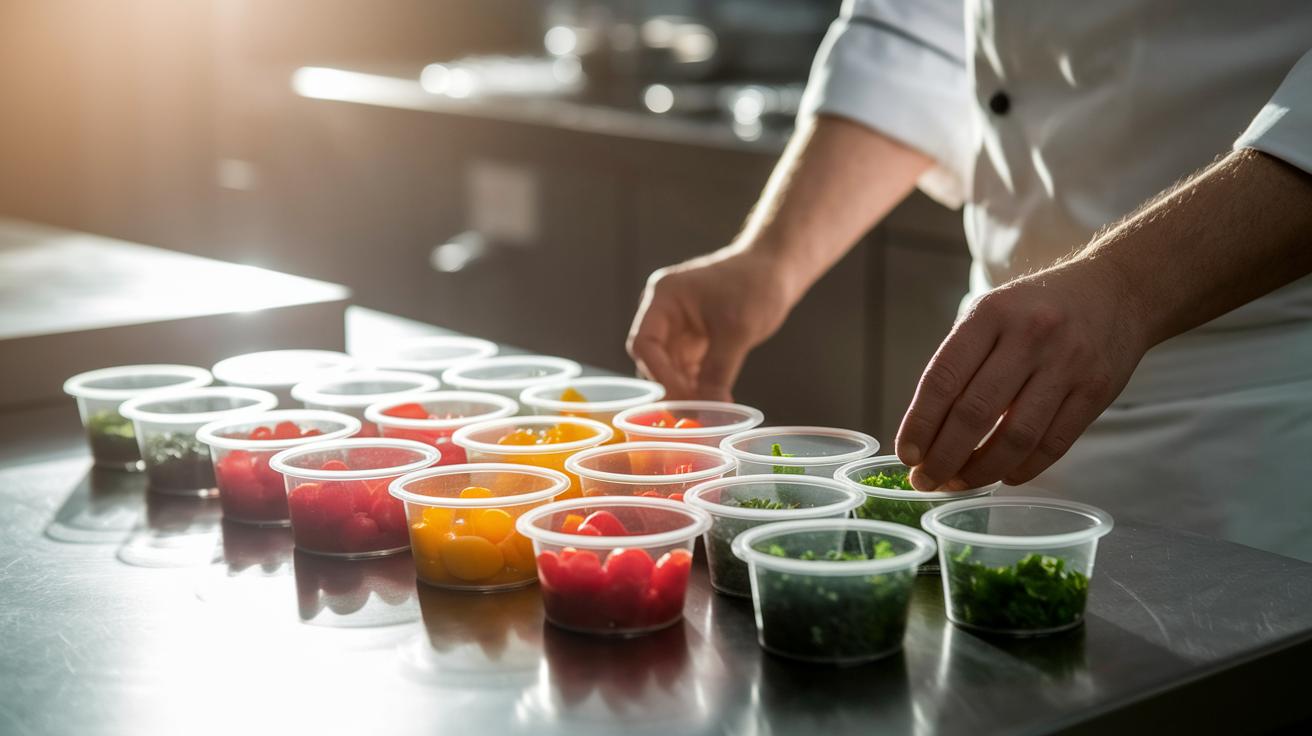
Mise en place is the heart and soul of a busy kitchen. Chefs swear by it because having every ingredient neatly set up helps keep stress low and mistakes down by almost 40%. It’s all about getting organized, staying precise, and keeping things moving on time.
Chefs spend a good chunk of time at the start to arrange their stations just right. When everything has its own spot, even a fast-paced kitchen feels like a well-oiled machine, and that creative spark flows naturally.
Step by step, mise en place means you pre-portion proteins, garnish, and sauces into equal, measured bits. Think of it like setting the table before a big feast! Chefs even use color-coded containers and clearly labeled trays to speed up their work. Usually, about half their prep time is dedicated to this crucial organization. They often use custom tool trays to keep their favorite utensils within arm’s reach, making transitions between tasks smooth as butter. For more tips on the best tool sets and containers, check out the essential kitchen utensils guide.
You don’t have to be a pro chef to try this at home. Before you start cooking, take a moment to lay out all your ingredients. Whether you’re chopping veggies or measuring out spices, a little mise en place goes a long way in turning meal prep from messy to marvelous.
Signature Dish Development: Behind the Apron of Restaurant Chefs
Restaurant chefs see creating a signature dish as a fun experiment in their kitchen lab. They start by dreaming up ideas using fresh, seasonal ingredients and a nod to their heritage. It’s a bit like mixing colors on a painter’s palette. One chef once said, "I get my spark from the burst of flavors at a summer market, turning them into a dish that truly sings." That burst of inspiration kicks off a devoted process of recipe testing.
Chefs put new dishes through up to 20 rounds of taste tests. They work hard to balance four key ingredients: salt, acid, fat, and sweetness, each one enhancing the others, like notes in your favorite song. They tweak everything from timing to texture until the dish hits the perfect note. Imagine a chef saying, "Every change, no matter how small, teaches me a bit more about flavor balance." It’s a journey of trial and error where every taste refines the dish further.
Step by step, these culinary artists document every twist and turn in their recipe notebooks. They use tools like flavor wheels to map out how each ingredient complements the others. It isn’t just about hitting the right taste; it’s about the dish telling its own story from the kitchen to the plate. A chef might share, "A small squeeze of lemon can brighten a savory sauce, turning the whole dish around."
Blending creativity with careful note-taking, chefs transform their culinary dreams into dishes that dazzle the palate. This behind-the-apron journey, from that first spark of inspiration to the final plate, shows how passion, precision, and a willingness to experiment come together to create truly unforgettable dishes.
Stock and Sauce Secrets: Culinary Artistry Revealed
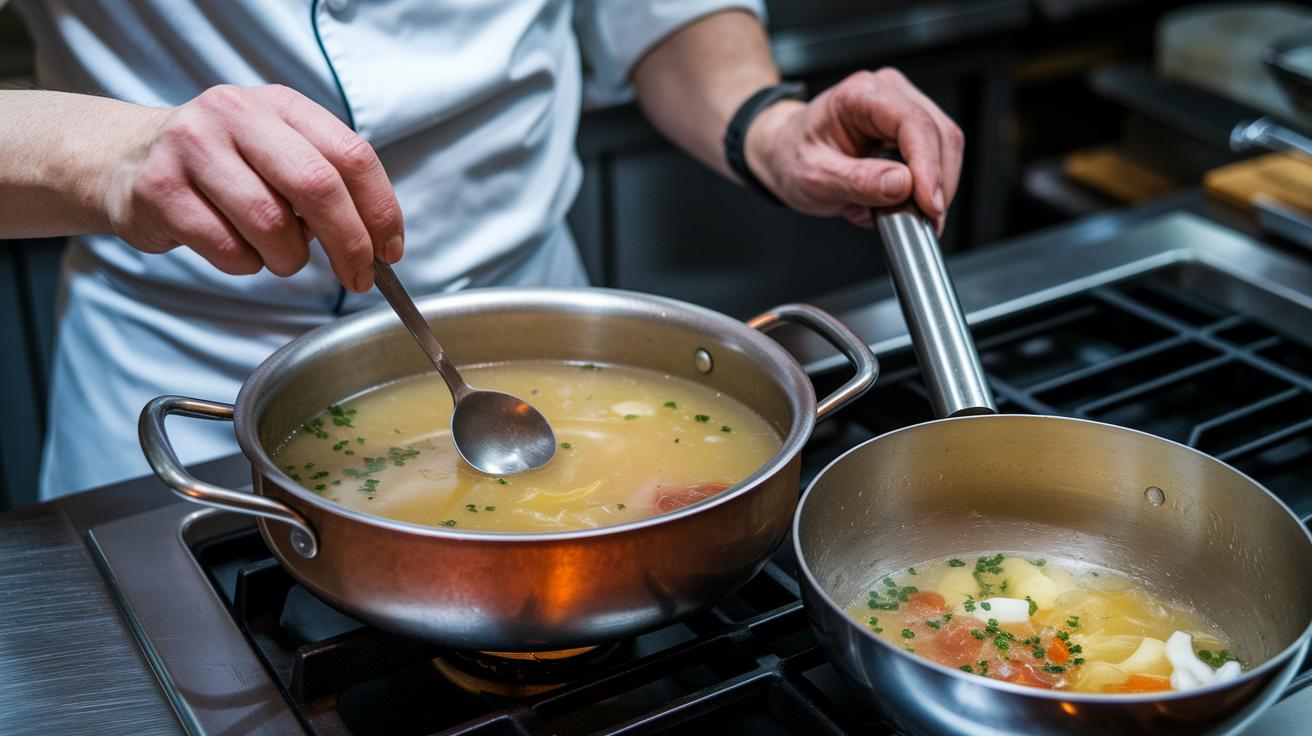
Every great dish starts with an amazing foundation of stocks and sauces. Chefs simmer their stocks for anywhere from 6 to 48 hours in cold water so that every bit of collagen is drawn out. They rely on a simple mix called mirepoix (50% onion, 25% carrot, 25% celery) to build a deep, rich flavor base. And when they use roasted beef bones to make brown stock, straining it through a fine chinois ensures a clear and beautifully smooth result.
Classic Mother Sauces
There are five classic sauces that every chef keeps in their toolkit: béchamel, velouté, espagnole, tomato, and hollandaise. Take béchamel, for example, a creamy white sauce that sometimes gets a chef’s twist with clarified butter or even a bit of powdered milk. These sauces form the starting point for so many dishes, ready to have extra flavors layered in.
Reduction Sauces and Glazes
Sometimes, flavor needs a little extra boost. That’s where reduction sauces come in. Chefs simmer liquids until they shrink to about one-quarter of their original volume, deglazing the pan to pick up all the tasty caramelized bits left behind. The end result is a dazzling pan sauce, gastrique, or demi-glace that packs a serious punch with just a small amount.
Emulsified Sauces and Compound Butters
Ever wonder how a hollandaise stays so luxuriously creamy, or how mayonnaise becomes perfectly smooth? It’s all about the art of emulsification. Chefs often add stabilizers like egg yolk lecithin or a touch of mustard to keep things steady. Then, they finish off with compound butters for that extra burst of flavor. Whether it’s creating a beurre monté (a melted butter sauce) or infusing a butter with herbs, these techniques can turn even a simple dish into something special.
Every step, from slowly simmering your stock to carefully emulsifying a sauce, gives you the chance to pour your love of cooking into your dish. So take your time, let the flavors build, and enjoy every delicious moment.
Plating and Presentation Mastery in Restaurant Settings
Chefs know that how a dish looks matters just as much as its flavor. They often arrange an odd number of items on a plate to create a lively, balanced feel. Imagine three gleaming protein mounds set with plenty of space around them, each component gets its moment to shine, much like a little masterpiece on a plate.
They don’t stop at looks, either. Chefs add micro-herbs, edible flowers, or a handful of crushed nuts to create delightful surprises like bursts of flavor or crunch. Warmed plates, too, work like secret helpers by keeping food at the right temperature, so even during a hectic rush, the dish stays fresh and inviting.
When it comes to plating, the right tools make a world of difference. Squeeze bottles, palette knives, and tweezers help chefs craft clean lines and intricate designs that give a sense of movement and depth to each plate. Every drizzle of sauce and careful layer creates a little edible work of art.
Even if you’re just cooking at home, you can have fun with these ideas. Try setting up your ingredients with an odd number of garnishes and leaving intentional gaps. It’s a simple trick to let your food’s natural colors and textures pop, turning everyday dishes into something extra special.
Sourcing and Ingredient Selection: The Chef’s Edge

Every memorable dish starts with the right ingredients. Chefs know that choosing top-quality produce isn't just ticking off a checklist; it's really a way of life. They build friendly relationships with neighborhood suppliers to get the very best picks, so each ingredient carries its own story of care and quality. Why settle for plain when every ingredient can add a little luxury?
The real magic happens when chefs check for freshness. They look at seafood to be sure the eyes are bright and the flesh is firm, simple clues that the catch is fresh. They pick produce at the peak of its season, when its natural sweetness shines. They also hunt for special grains and heirloom veggies that add unique textures and flavors to every bite. One chef even said, "Nothing beats the taste of a tomato straight from the vine." Every local ingredient adds its own chapter to the dish and helps create wonderful flavor balance that even sparks fresh, seasonal menus.
And for those keeping an eye on the budget, professional kitchens mix pricier proteins with cost-effective herbs and garnishes. They master the art of blending rich flavors without cutting corners on quality. Clever swaps bring gourmet appeal to every meal.
Kitchen Management and Teamwork Behind Closed Doors
In a lively kitchen, the brigade system is like the secret sauce that holds everything together. Every role, from the head chef to the sous chef, line cooks, and expeditor, has a clear spot, making sure the work flows as smoothly as a perfectly blended soup. I still recall the head chef saying, "Every great team starts by knowing who does what best."
Planning each shift is as crucial as preheating your oven before baking a favorite treat. When the kitchen heats up, clear, simple communication keeps things moving. Chefs rely on easy call-out signals and headsets so orders can leave the kitchen in 15 minutes or less, like a quick burst of flavor in a dish. A short team huddle before the first dish is served helps everyone get in sync, and rotating roles means any chef can jump in when the rush hits.
But the chatter doesn’t end with the kickoff. During service, a steady back-and-forth, sometimes as quick as a nod or a hand gesture, helps adjust for little surprises like a missing ingredient or a special request from a guest. Every update, no matter how small, is as important as a pinch of salt in a well-cooked meal.
Staying on top of quality when the pressure is on means sticking to trusted cleaning routines, sanitization checklists, and safety measures. With these practices in place, every service feels like a carefully plated dish, brimming with consistency and a whole lot of heart.
Exclusive Chef Insights: Anecdotes and Masterclass Revelations
I still remember my first hectic service like it happened yesterday. The kitchen buzzed with heat and energy as orders zipped by, and my heart raced with every call. It was a mix of stress and pure excitement, teaching me that even little mistakes can hide big lessons.
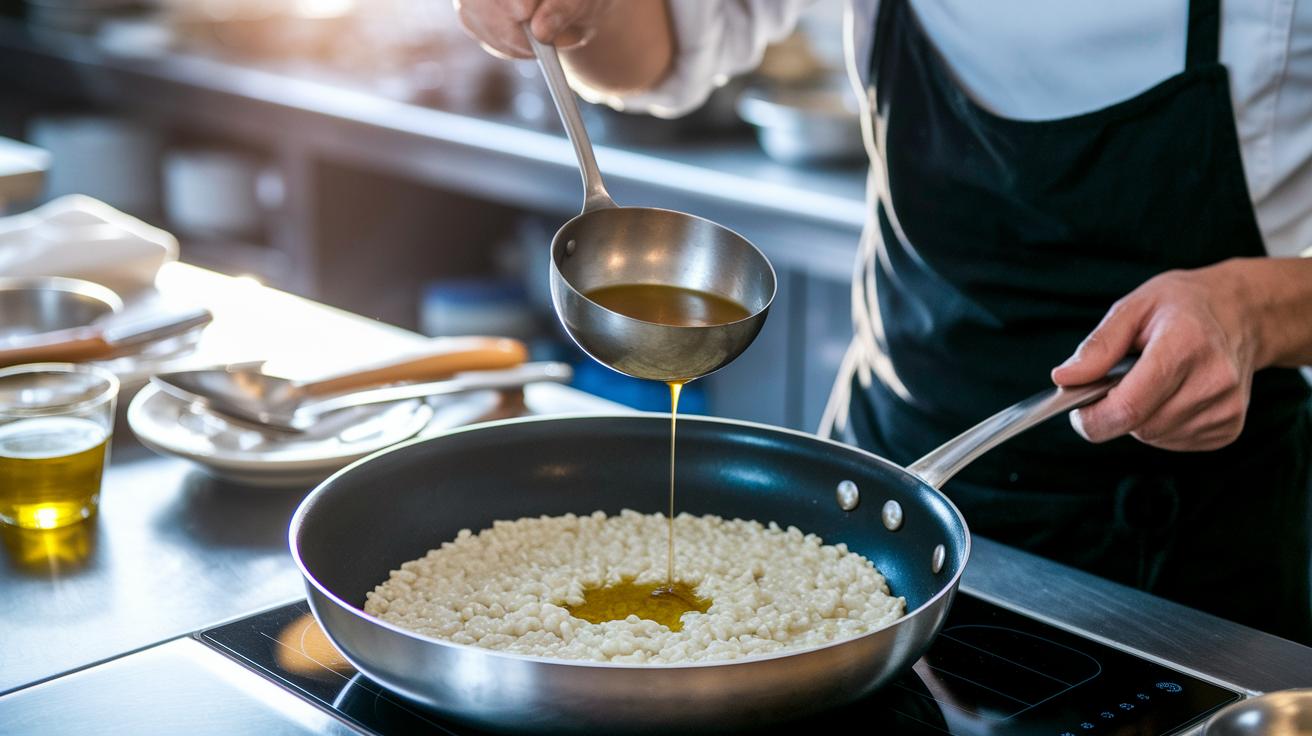
One experienced chef once let me in on his risotto secret. He recommended adding one ladle of warm (80 °C) stock at a time, letting each pour slowly build up the flavor. Then, just before serving, a quick drizzle of finishing oil sent the aroma soaring, turning a simple dish into a burst of delightful flavors.
I also recall a mentor from a Michelin-starred kitchen sharing his journey through countless cooking competitions. For him, balancing fresh ideas with steady consistency was key, and every small breakthrough was celebrated as a step closer to culinary greatness. His passion lit a fire in everyone around him.
All these stories show that behind every beautifully plated dish lies a mix of wild experiences and brave experiments. That first rush, the careful techniques, and the lessons from top chefs all shape a cook's path. They remind us to enjoy both the wins and the missteps in the kitchen.
Even home cooks can use these insights. Much like a perfectly ladled risotto, every ingredient and every moment adds character to your meal. Take your time to polish even the small details, and soon every dish will become your personal masterpiece. Try new techniques, learn from the mishaps, and savor each bite as you grow in your cooking journey.
Final Words
In the action, we've explored hidden chef methods, precise mise en place, inventive signature dishes, refined sauce secrets, artful plating, smart ingredient sourcing, and organized kitchen teamwork.
These restaurant chef secrets show how pro techniques can be easily adapted to your home kitchen. Enjoy the journey of culinary discovery and create impressive meals filled with flavor and flair.