
Ever thought about a kitchen that practically cooks for you? Imagine a cozy space where your appliances chat with one another, a smart oven you can control even when you’re out, and a setup that saves you time and energy every day.
This isn’t just a passing fad. It’s a real game-changer that turns everyday cooking into a breeze. Picture the warmth of a home-cooked meal paired with the ease of high-tech help. With a little know-how, you can transform your kitchen into a connected haven that makes mealtime both fun and efficient.
So, why not dive in and discover the secrets behind this smart kitchen revolution? It might just be the secret ingredient that changes the way you cook forever.
Mastering Your Smart Kitchen: A Digital Culinary Manual
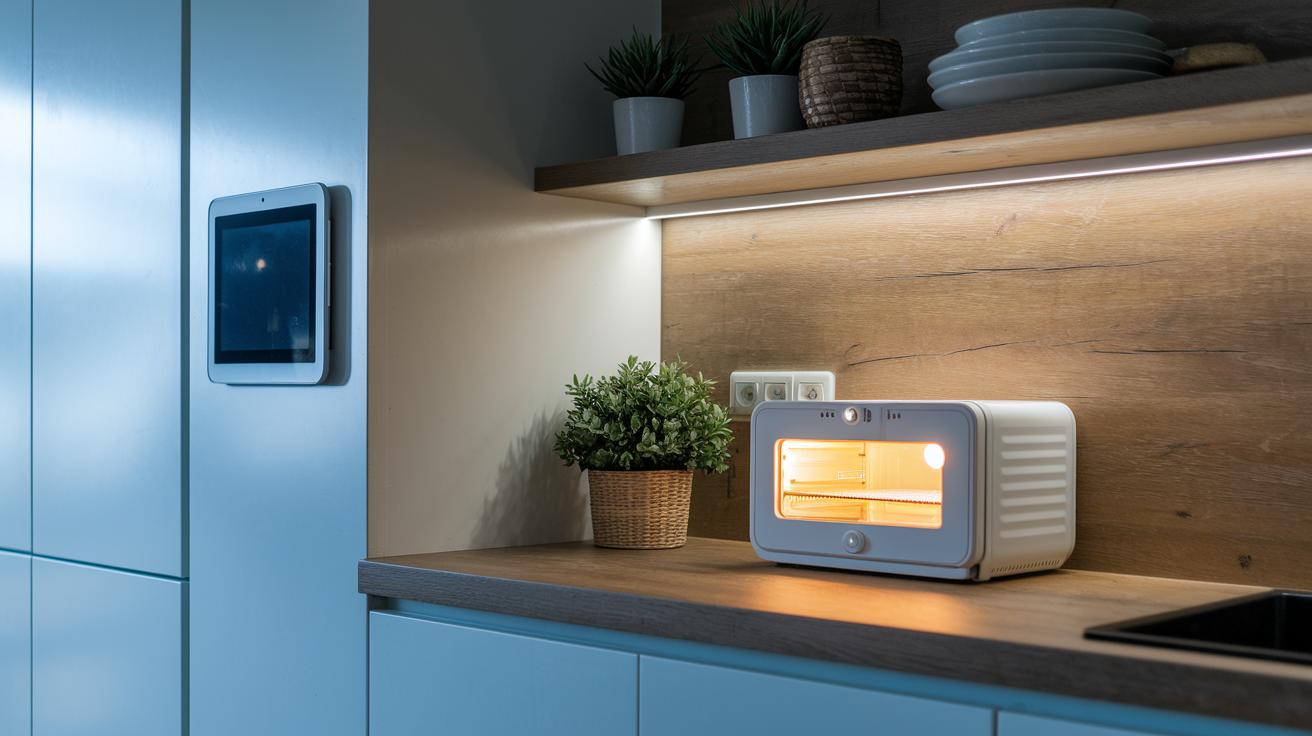
A smart kitchen is more than just a fancy upgrade, it’s like having a digital recipe book right in your cooking space. Imagine a kitchen where your major appliances and gadgets, connected through Wi-Fi, Bluetooth, and AI, work side by side. Think of smart ovens that you can heat up from your phone while you're out, saving you precious time. In fact, in 2023, McDonald’s used automated fryers and smart ovens to speed up cooking and cut costs.
At its heart, a smart kitchen mixes modern design elements like adjustable lighting and automatic window shades to create a versatile space. Often, a wall-mounted tablet or voice assistant acts like your friendly kitchen helper, letting you control everything from dimming lights to tweaking the temperature of your oven. It’s like having a personal assistant that makes sure every gadget works in perfect harmony.
Cooking in a smart kitchen is both efficient and fun. Technology guides you through recipes with interactive prompts, sends important alerts to your phone, and adjusts your appliances for each dish. While the perfect setup depends on your budget and cooking style, one thing’s for sure: the convenience and energy savings of a smart kitchen turn everyday meal prep into a modern, connected experience.
Smart Kitchen Layout and Design for Connected Culinary Systems
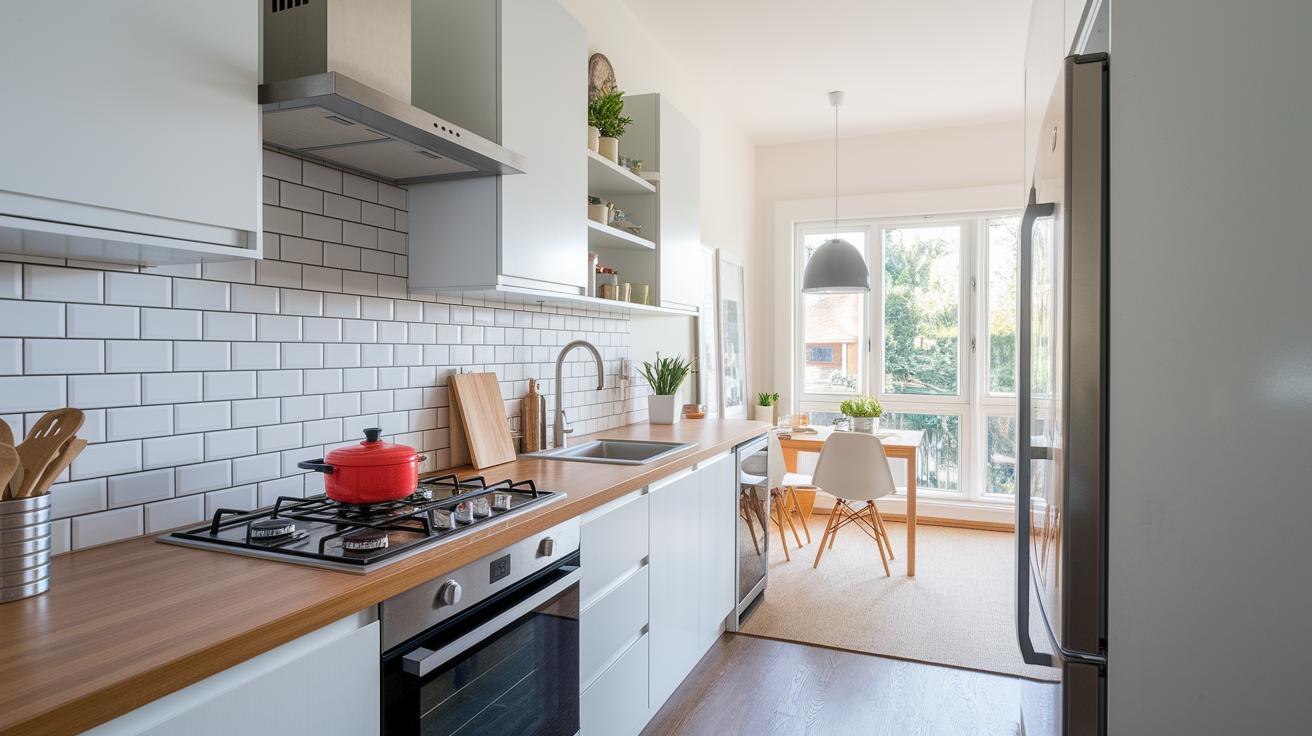
Let's kick things off with a design secret: the work triangle. Picture your stove, sink, and refrigerator arranged as if they were the perfect trio. In a smart kitchen, keeping these three within a 26-foot loop (about 5.5 feet for each leg on average) makes your cooking flow smooth and natural.
Now, think about jazzing up your lighting. You've got two tasty recipes here: a wired system that hooks right to a control panel, or a breezy wireless setup with smart switches or keypads. For example, imagine LED lights that you can dim or change color, turning your prep zone into a lively space that adjusts to your every move.
Next, spice up your kitchen with furniture that can change with the times. Modular setups, adjustable shelves, and counters that do double duty let your space evolve alongside new gadgets. Just picture a countertop that not only gives you room to work but also hides a tablet acting as your command center. Making sure every appliance, from a Wi-Fi oven to a smart fridge, connects smoothly to a central app is key to creating a tech-friendly kitchen that’s as smart as it is stylish.
For more tasty tips, check out Kitchen Planning Strategies (https://webehoney.com?p=350). It’s a great resource to help you see the full picture and plan a kitchen that’s ready for the future, both functional and chic.
Selecting Smart Appliances: Your High-Tech Appliance Roadmap
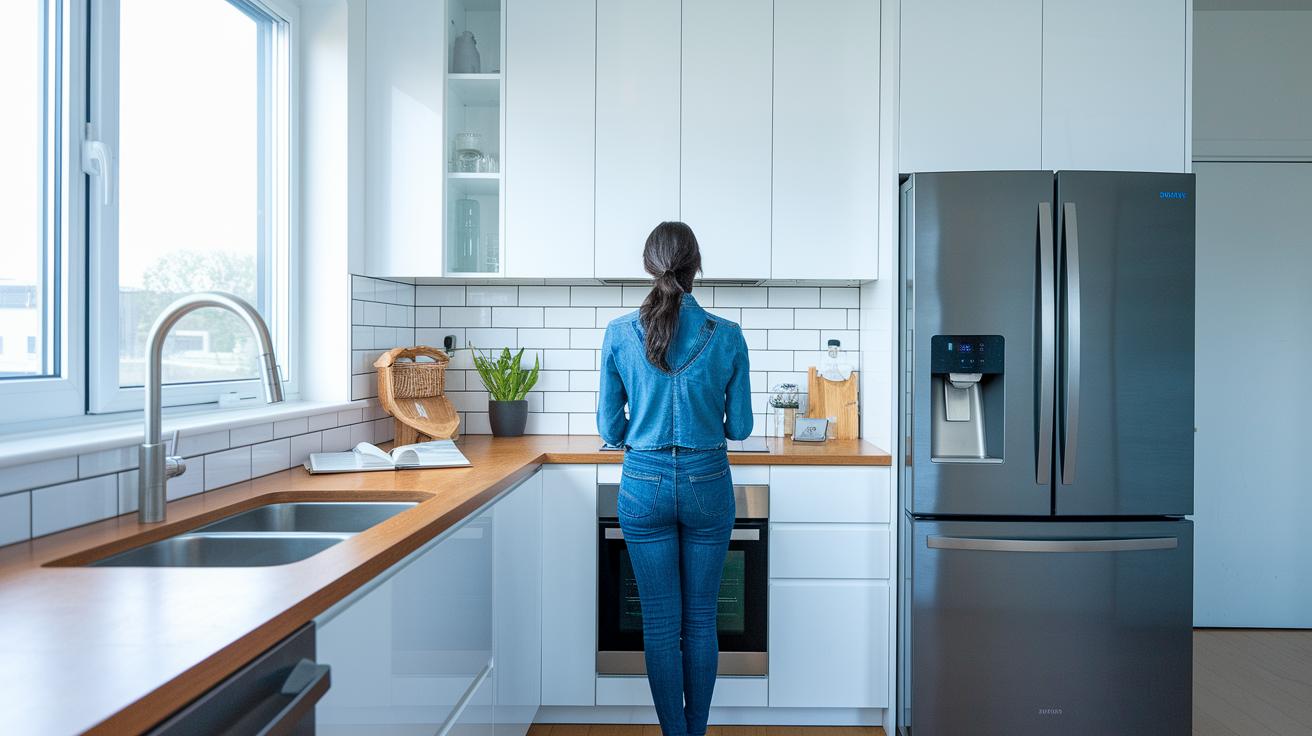
Let’s jump right into your digital kitchen adventure. Start by checking out top-notch smart appliances that make your life easier. For example, consider the Samsung Family Hub fridge with its built-in camera and handy recipe tips. Imagine having a fridge that not only keeps your food fresh but also suggests meal ideas based on what’s inside, like a friendly kitchen helper.
Wi-Fi ovens take convenience up a notch. Picture getting a smartphone alert that says, "Preheat complete" just in time for you to start cooking. Brands like Bosch and Miele offer smart ovens and cooktops that let you change temperature settings from anywhere, making overcooked food a thing of the past.
Smart dishwashers are just as clever. They adjust the water pressure based on how dirty your dishes are, ensuring each cycle uses just the right amount of water and leaves your plates sparkling.
Sometimes, a touchscreen might feel a bit overwhelming at first. In those cases, a simple physical knob can save the day. A quick twist of a dial can bypass the digital menu when you need a fast adjustment.
And don’t miss Miele’s SuperVision feature, it lets timers and statuses be shared across your devices so everything works in sync. For more details on essential smart gadgets and their features, check out Kitchen Essentials (https://webehoney.com?p=336).
Each of these smart tools plays a vital role in creating a connected, efficient kitchen that meets all your culinary needs.
Implementing Automation: Intelligent Home Integration Strategies
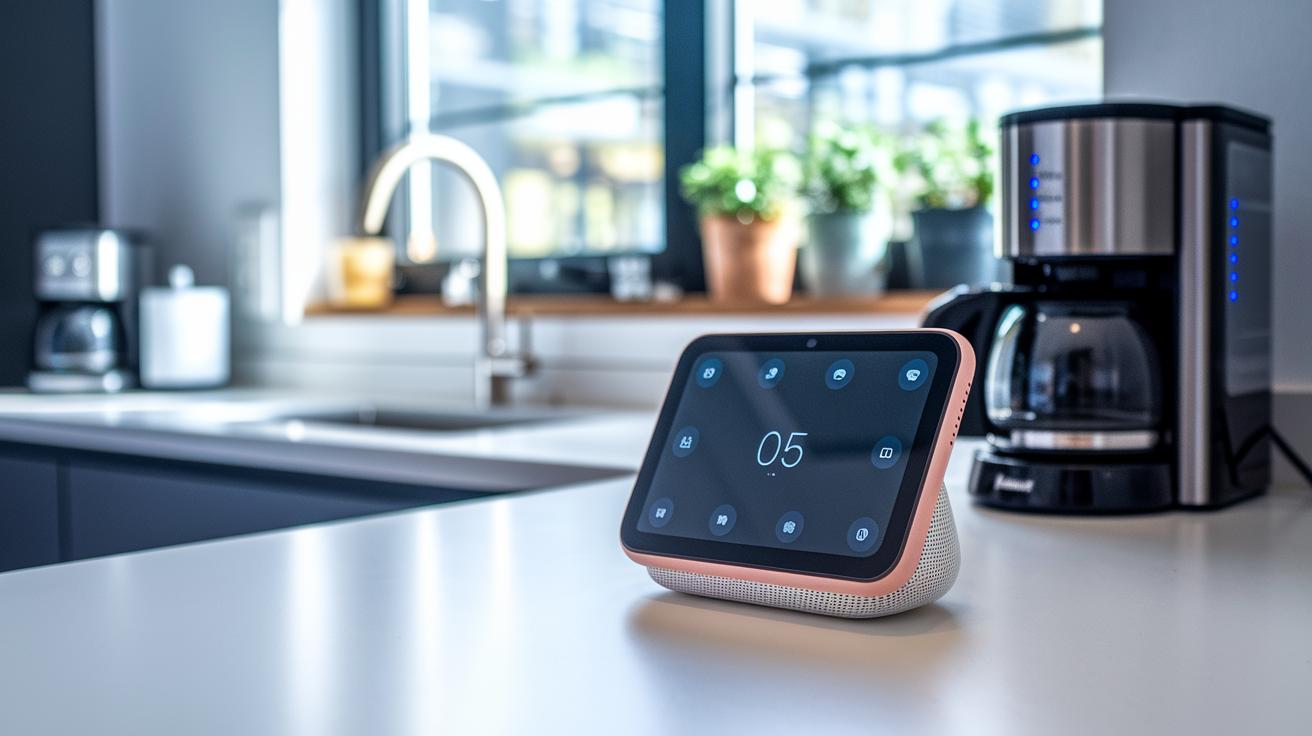
Start by picking a smart kitchen hub that brings all your devices together. Think of it like a friendly command center, you can control your lights, ovens, even your coffee maker with just a tap or a simple voice command. This hub becomes the heart of your smart kitchen, making it easy to manage everything from the lighting to your favorite gadgets.
Then, set up voice assistant scheduling to handle your daily routines. Imagine telling your system, "Turn the living room light to half brightness at 6 p.m.," and watching it smoothly follow your lead. It’s like having a helpful friend in your kitchen. With smart plugs, even your older appliances can join the network, blending the old with the new without missing a beat.
For appliances that aren’t on the same brand, try using ecosystem bundling. Tools like Miele’s SuperVision let one gadget whisper its status to another, so you get a seamless team effort in the kitchen. This approach keeps everything connected, even when the brands differ.
Lastly, use app-based notifications to remind you of tasks and to check on the quality of your setup. Here’s a quick list of key steps:
| Step | Description |
|---|---|
| Smart hub control | Manage lights and gadgets effortlessly |
| Voice commands | Set up schedules and automate daily tasks |
| Smart plugs | Connect older appliances to your network |
| Ecosystem bundling | Ensure cross-device compatibility |
By following these steps, your kitchen becomes a cozy blend of technology and taste. Every device talks the same language, helping you create a smart space where cooking and convenience go hand in hand. Enjoy the ease and efficiency of a kitchen that's prepared to meet modern challenges with a warm, personal touch.
Smart Cooking Techniques: Innovative Applications in Automated Culinary Guidance

Modern cooking tools are blending smart technology with a homey touch. These systems watch your cooking in real time and adjust the recipe right when you need it. Imagine having a digital buddy that senses the rich aroma of a simmering stew and casually suggests adding a pinch more herb to deepen the flavors.
The latest innovations include:
- AI that tweaks your recipe as you cook.
- Real-time sensor data that fine-tunes every step.
- Chefs who experiment with new flavor pairings using these smart tools.
- Smart inventory features that recommend fresh ingredient swaps on the fly.
Here's a little something to chew on: one study showed that a digital assistant cut recipe errors by 40 percent, making each dish more consistent while sparking creative ideas.
| Traditional Smart Cooking | Innovative Automation Techniques |
|---|---|
| Mobile alerts for preheating and timers | Real-time recipe adjustments based on sensor feedback |
| Pre-set automatic cooking programs | AI-driven customization that learns from your cooking style |
Smart Storage & Waste Solutions: Advanced Meal Prep Compendium
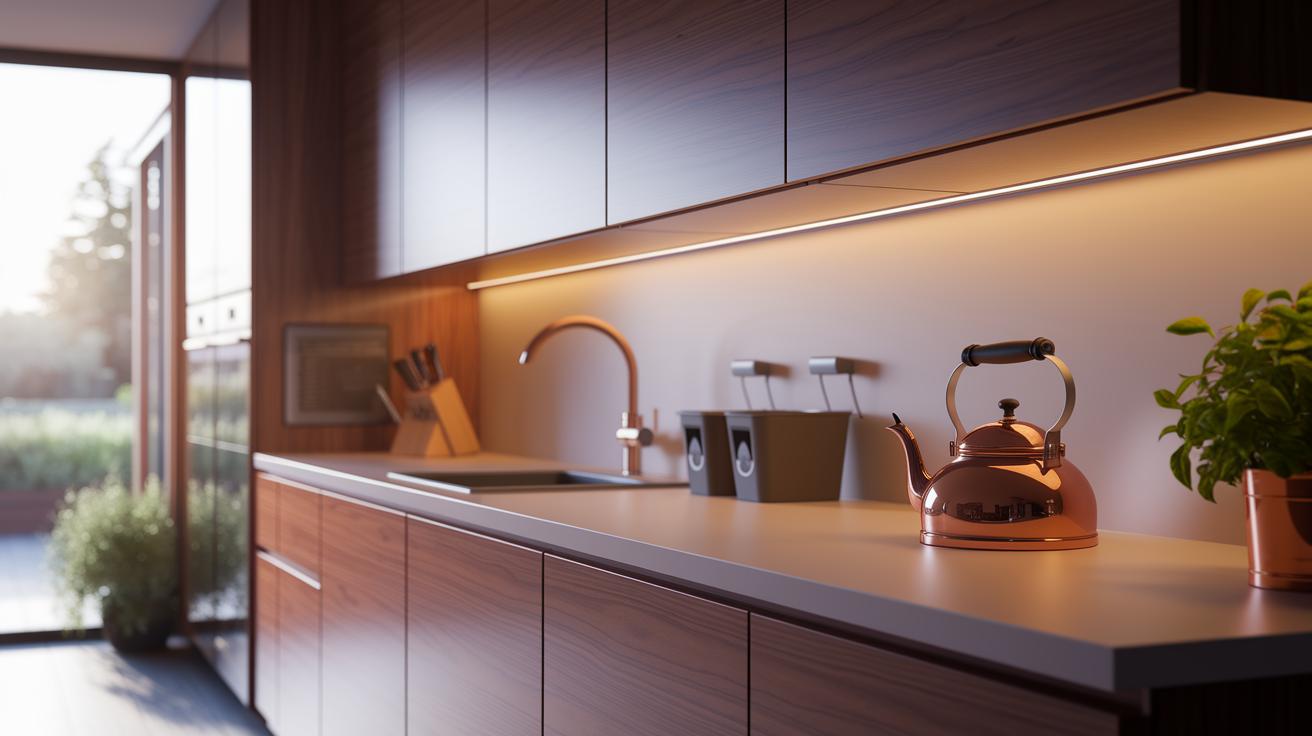
Imagine entering a kitchen where everything seems to know your next move. Cabinets slide open on their own as you near them, and pull-outs glide into view with just a friendly wave, thanks to smart motion sensors. It’s like your kitchen is dancing along with you, turning meal prep into an effortless flow. Picture neat vertical pull-out shelves and motorized drawers that keep every spice, pan, and utensil right at your fingertips, saving you from endless searching and wasted time.
Now, think about a waste bin that feels almost magical. This smart bin carefully sorts your recyclables from trash and even compacts your garbage after a busy cooking session. It’s modern foodtech planning in full swing. By welcoming these clever solutions into your routine, you transform your kitchen from a simple work area into an interactive, efficient home base.
Choosing these innovative storage and waste tricks not only means a tidier space, it also shows you care about the environment. They bring together smart storage, waste cutting, and modern digital trends, making your life simpler so you can focus on what really matters, whipping up delicious dishes with ease. Enjoy a kitchen that’s as stylish and efficient as it is fun to work in.
Energy & Cost Efficiency in Smart Kitchens: Cost-Benefit Insights
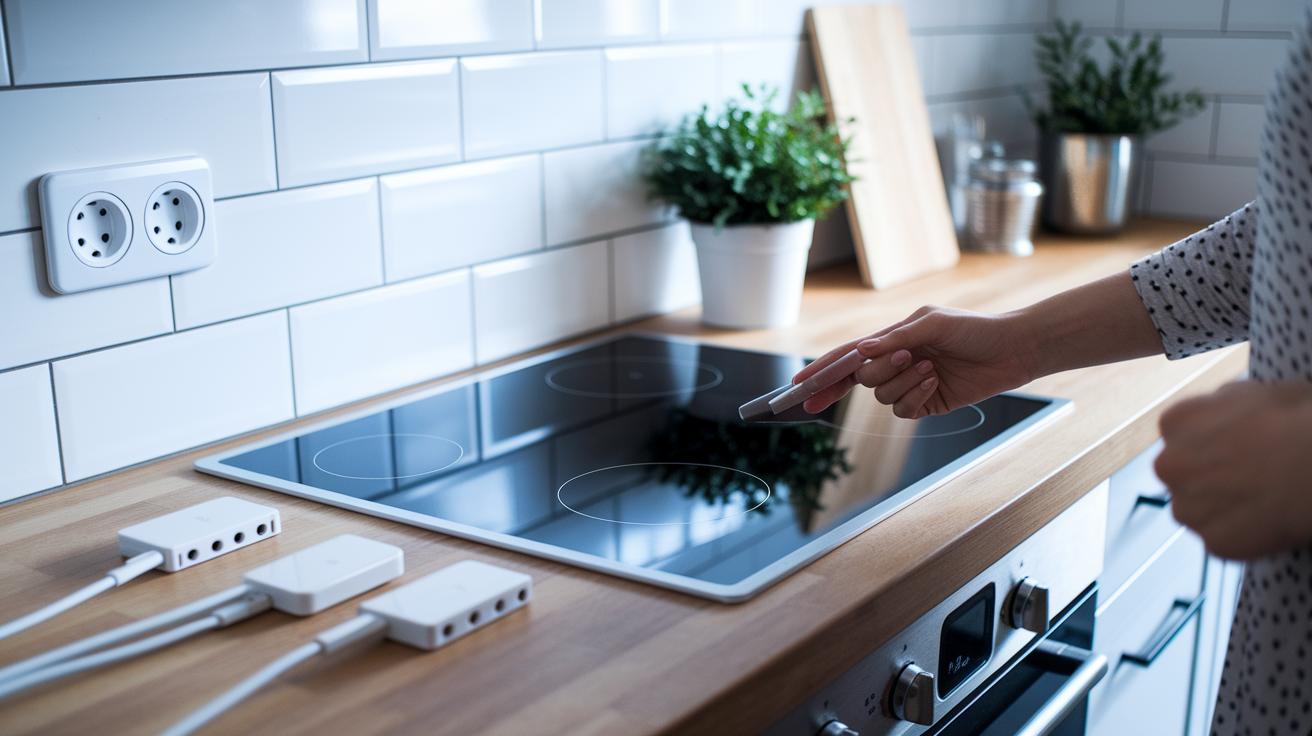
Smart kitchens aren’t just flashy tech, they can really help lower your energy bills. Picture this: you install smart plugs and appliances that show your power use right away. Even simple items like water-saving taps or induction hobs (they heat food using electricity quickly) give you instant feedback so you know every watt counts. It’s like turning your kitchen into a smart, energy-saving hub.
One restaurant chain even cut its energy bill by 15% by scheduling smart appliances to run during off-peak hours. When your oven, dishwasher, and coffee maker all work on a smart plan, your kitchen isn’t just a place for meals, it becomes a space that works hard to save energy.
Of course, checking the upfront cost is key. Compare what you spend on these smart devices to the savings you’ll see on your energy bill later. It’s a bit like investing in a set of quality tools that keeps paying off over time.
In the end, a few smart gadgets can make a big difference for your budget down the road.
Maintaining and Troubleshooting High-Tech Cooking Systems
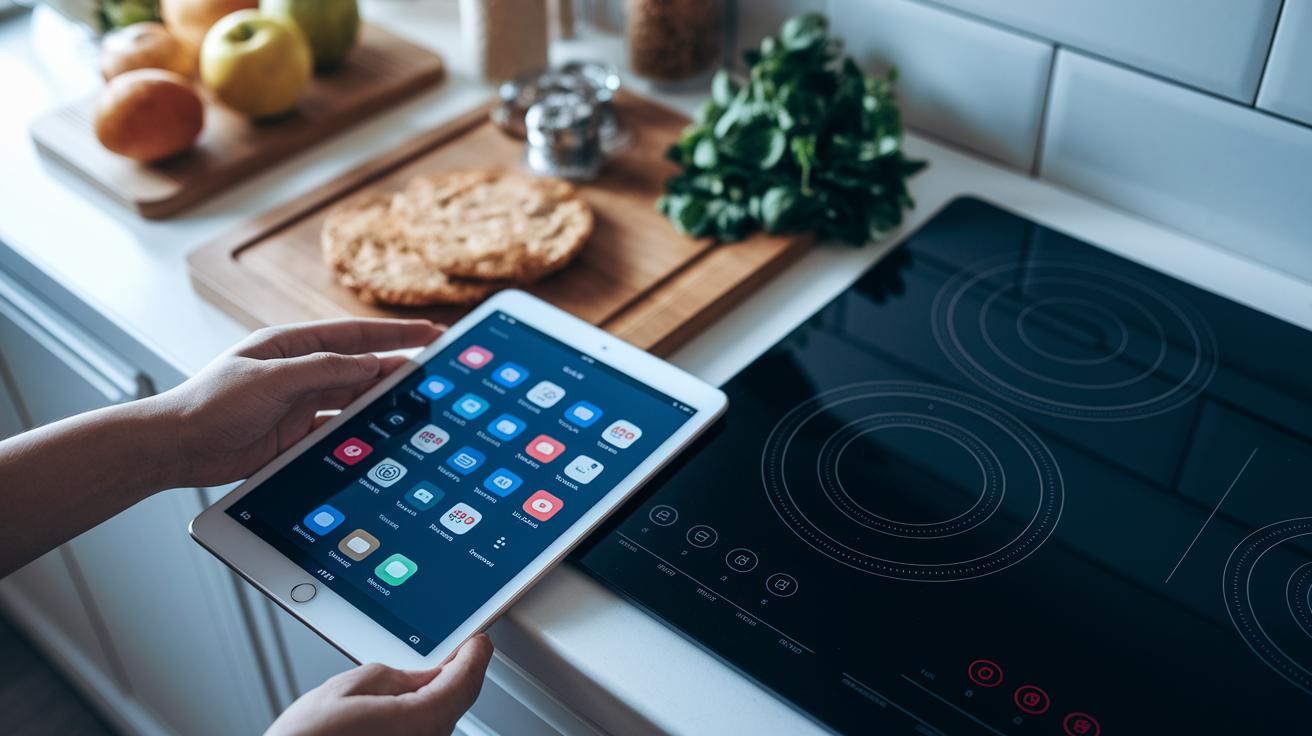
Routine upkeep keeps your smart kitchen humming smoothly. Use app alerts to catch little issues before they become big headaches. For example, if your oven sends an alert, check its sensor to make sure it heats evenly. Trying out devices in demo mode at the store also helps you confirm that every gadget connects properly with its app, saving you some unexpected dilemmas later.
Adding physical controls, like a traditional knob, to touchscreen setups makes everything easier to use. Imagine you're in a rush and need a quick fix on your smart cooktop. A reliable dial can be a lifesaver when time is short.
Good training is just as important. Regular check-ups of your high-tech systems help you and your team handle any connectivity or compatibility bumps confidently. Ever wondered what you'd do if the dishwasher lost connection mid-cycle? Running through these scenarios builds trust and keeps your kitchen running efficiently.
Final Words
In the action of transforming everyday cooking into a connected culinary adventure, this smart kitchen guide brings it all together. We explored everything from efficient layout design and careful appliance selection to integrating automation and smart storage solutions. Each section aimed to simplify high-tech cooking with practical examples and energy-saving tips. By embracing digital cooking strategies, you're equipped to create innovative, cost-effective, and impressive meals with ease. Enjoy the journey toward a more efficient, modern kitchen that sparks creativity and delights every taste bud.
FAQ
What are the top 10 smart kitchen gadgets?
The top 10 smart kitchen gadgets refer to advanced devices like Wi-Fi ovens, smart refrigerators, sensor-driven dishwashers, and voice-activated assistants that streamline cooking and boost efficiency.
What items are on a smart kitchen accessories list?
The smart kitchen accessories list includes tools like smart plugs, automated lighting systems, kitchen hubs, and connected storage solutions that help unify your cooking space.
What is smart kitchen technology?
Smart kitchen technology combines internet-connected appliances, sensors, and digital controls to ease cooking tasks, save energy, and improve workflow using Wi-Fi, Bluetooth, and AI-driven systems.
What are some smart kitchen gadgets on Amazon?
Smart kitchen gadgets on Amazon feature devices such as remote-controlled ovens, refrigerators with built-in cameras, smart dishwashers, and other tech-savvy tools designed to enhance culinary convenience.
What are the best smart kitchen appliances?
The best smart kitchen appliances merge sleek design with high-tech functionality, including connected ovens, smart fridges with recipe features, advanced dishwashers, and other devices that improve energy efficiency.
What are smart kitchen design ideas?
Smart kitchen design ideas focus on integrating modular layouts, centralized control hubs, and interconnected lighting and appliances to create a functional, modern, and efficient cooking space.
What are smart kitchen cabinets?
Smart kitchen cabinets are storage units enhanced with motion sensors, automated pull-outs, and integrated lighting, offering both convenience and a tech-forward aesthetic in your kitchen space.
What smart kitchen devices are available?
Smart kitchen devices available today include Wi-Fi ovens, connected refrigerators, sensor-powered dishwashers, smart plugs, and various accessories that help monitor energy use and simplify daily tasks.
What is the 3×4 kitchen rule?
The 3×4 kitchen rule explains the ideal work triangle between the sink, stove, and refrigerator, recommending specific distances (around 5.5 feet each) and a total perimeter of roughly 26 feet for efficiency.
Is $10,000 enough for a kitchen remodel?
A $10,000 budget can manage a modest kitchen remodel that incorporates smart features, though actual costs depend on the scope of upgrades, appliance choices, and layout changes.
Can AI design my kitchen for free?
AI can offer free design ideas and initial layout suggestions, but personalized plans and professional adjustments typically require a paid service for detailed guidance and feasibility assessments.
What are the disadvantages of a smart kitchen?
The disadvantages of a smart kitchen include higher initial costs, potential device compatibility issues, and a reliance on internet connectivity, which may disrupt operations during outages.